



Dig Deeper:
OAK MANAGEMENT PATHWAY
This page is a tool that supports Step 2: Make a Plan within the Oak Management Pathway.

Here you can learn more about the oak understory and begin to make a plan for the understory plants in your restoration site.
Oregon white oak woodlands are complex systems that support a diversity of plant, animal, and fungal species. Unique and beautiful wildflowers flourish in oak habitats alongside native shrubs and grasses that provide food and shelter for pollinators, wildlife, and people. Managing the oak understory can be a complicated process with multiple plant species, multiple users (people, wildlife, livestock), and multiple management options to consider.
Let's dive in!

Do you know what's growing beneath your oaks?
To know your woodland and what it can give, you must know what is growing there. With the incredible diversity of species found in the East Cascades oak understory, identifying grasses, flowering plants, and shrubs can seem daunting, but there are resources and experts available to help you. Options include OSU and WSU Extension offices, trained individuals from Oregon Master Naturalists, and the Washington Native Plant Society and Native Plant Society of Oregon, which have additional resources for ID and networking.
Practitioner’s resources
These apps provide photos and descriptions of hundreds of plant species as well as the option to search by characteristic.
An app that provides photos and descriptions of hundreds of plant species as well as…
An app that provides photos and descriptions of hundreds of plant species as well as…
An app focusing on grass identification! It is developed for Montana, but there is overlap…
More resources
Other smartphone apps use artificial intelligence technology to suggest an identification of a plant based on photos a user takes with their phone. If you have a newer iPhone, you can do this via your photos app. Identifications should be verified, if possible, unless you have a working knowledge of local flora.
This app identifies 1,000,000+ plants daily with over 98% accuracy—your personal plant expert in your…
One of the world’s most popular nature apps, iNaturalist helps you identify the plants and…
This app allows you to identify plants simply by photographing them with your smartphone. Very…
For more resources on identifying wildflowers and recommended ID books, visit


How do I prevent weedy plants from spreading?
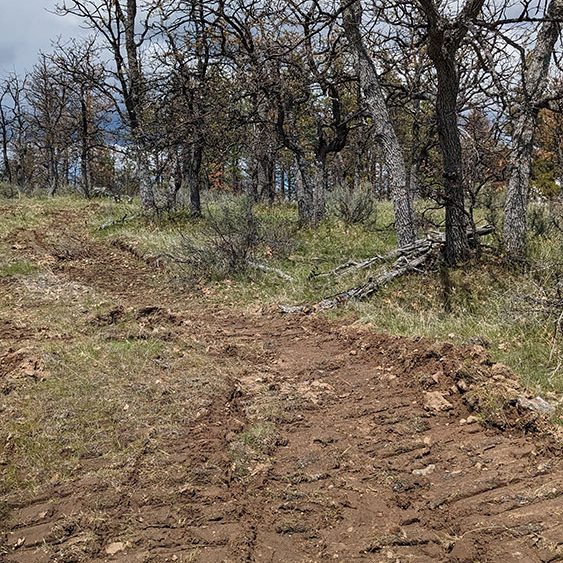
Frequent or heavy soil disturbance resulting from machinery, grazing, or wildfire can lead to an increase in undesirable nonnative plants. Weedy nonnative plants can quickly outcompete native species and can reduce biodiversity through competition. Some ways to minimize soil disturbance include utilizing hand tools when possible and operating heavy machinery during winter months when soil is frozen or covered in snow. Avoid using heavy machinery when soil is wet or muddy.


Pro Tip
If you plan to operate machinery or begin grazing your understory, consider any ways that undesirable seeds might enter your project area. Livestock may disperse seeds on their coats or through manure, and machinery can track seeds from one place to another. Encourage operators to clean their machinery before entering your project area. If the road or staging area machinery will enter your stand from is weedy, the plants are sure to follow in the connecting roads, skid trails, or paths. Limit these entry points or position them away from established weedy areas.
If soil disturbance is unavoidable in your oak system, consider seeding native plants after the disturbance.

Seeding burn piles
Grasses can be seeded into the ashes of a burn pile after it cools. The best time to seed is in the fall before snow falls, but you can also broadcast seed on top of snow. Later, the snow melt will help incorporate the seed into the soil. Burn piles provide fertile ground to establish native plants that can become sources of seed for the rest of your site.
Site Prep Techniques for Native Seeding by Klamath-Siskiyou Native Seeds
This article covers tips for using burn piles as small seed restoration projects.
Curious about what to plant?
Check out ECOP’s Native Plant Species for Oak Habitat Restoration.


How can I manage undesirable plants?
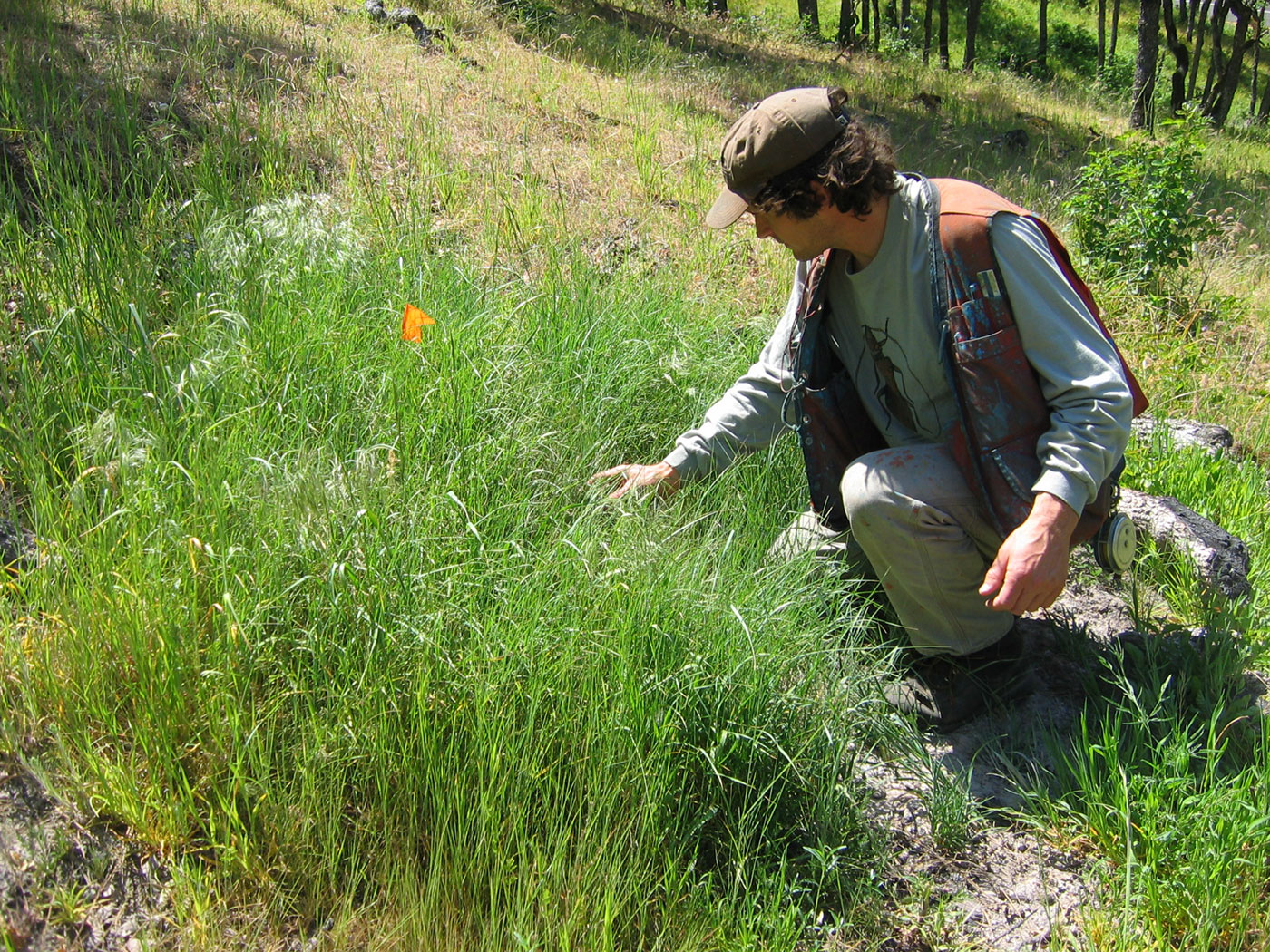
Aggressive weedy plants can outcompete desirable grass and forb species that form the basis of food chains and can alter how your oak system experiences fire, supports wildlife, stores water, and fixes carbon. The best method to manage weedy plants is to prevent disturbances that contribute to their spread. But if they do show up, all is not lost!


There are many actions you can take to reduce cover and prevent the spread of weedy plants. Common weedy annual grasses in the oak understory include cheatgrass, ventenata, medusahead, and cereal rye. Tall oatgrass and bulbous bluegrass are undesirable perennial grasses found both in open areas and under oaks. Some common aggressive weedy forbs include rush skeletonweed, knapweeds, yellow star thistle, and Canada thistle. The specific weed control method to use will depend on the plants you’re trying to remove, the size of their population, which plants you want growing instead, site conditions, and what disturbances or stressors you anticipate the understory might experience in the future. A combination of methods (integrated weed management) is often the most effective.
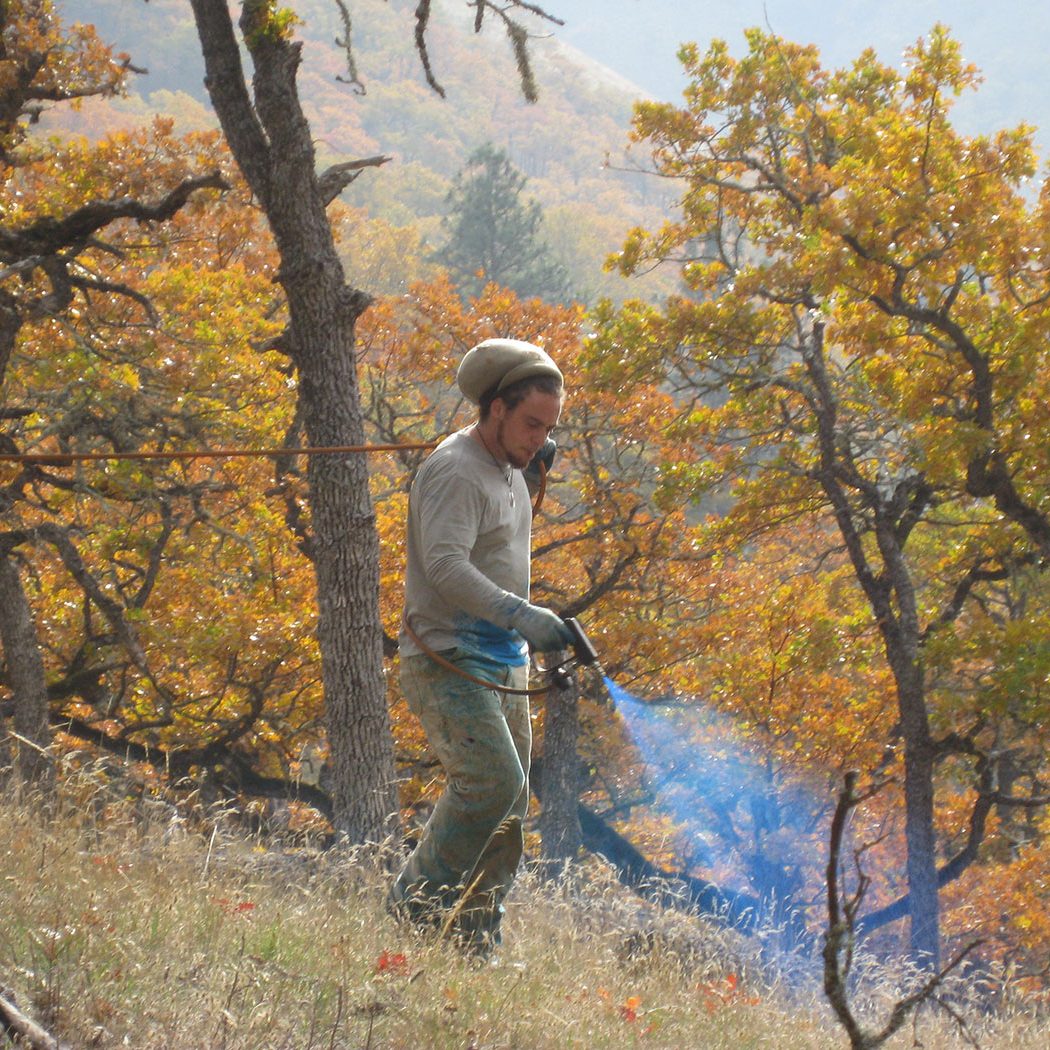
Possible treatment options include:
Local assistance:
Reach out to your local soil and water conservation district office to learn more about treating weedy species. Explore the links below for information on noxious weeds and cooperative weed management areas.
Oregon Department of Agriculture has compiled profiles of noxious weeds as designated by the Oregon…
The Washington State Noxious Weed Control Board is tasked with maintaining and updating the official…
Columbia Gorge Cooperative Weed Management Area
Best Management Practices: This website offers best management practices for many of the most common…
Institute for Managing Annual Grasses Invading Natural Ecosystems (IMAGINE)
IMAGINE uses coproduced science, outreach, and education programs to develop, implement, evaluate, and adjust statewide…
Medusahead Management Guide for the Western States
This comprehensive guide from Kyser and others in 2014 covers medusahead spread, impacts, biology and…

Seeding desirable plants
Treating weedy plants in your oak system involves more than just removing the most aggressive plants. We recommend taking steps to replant or seed desirable plants back into your site. And if your site is growing First Foods and medicines utilized by indigenous people, be cautious about using herbicides.
Case study: Mill Creek Ridge oak understory reboot
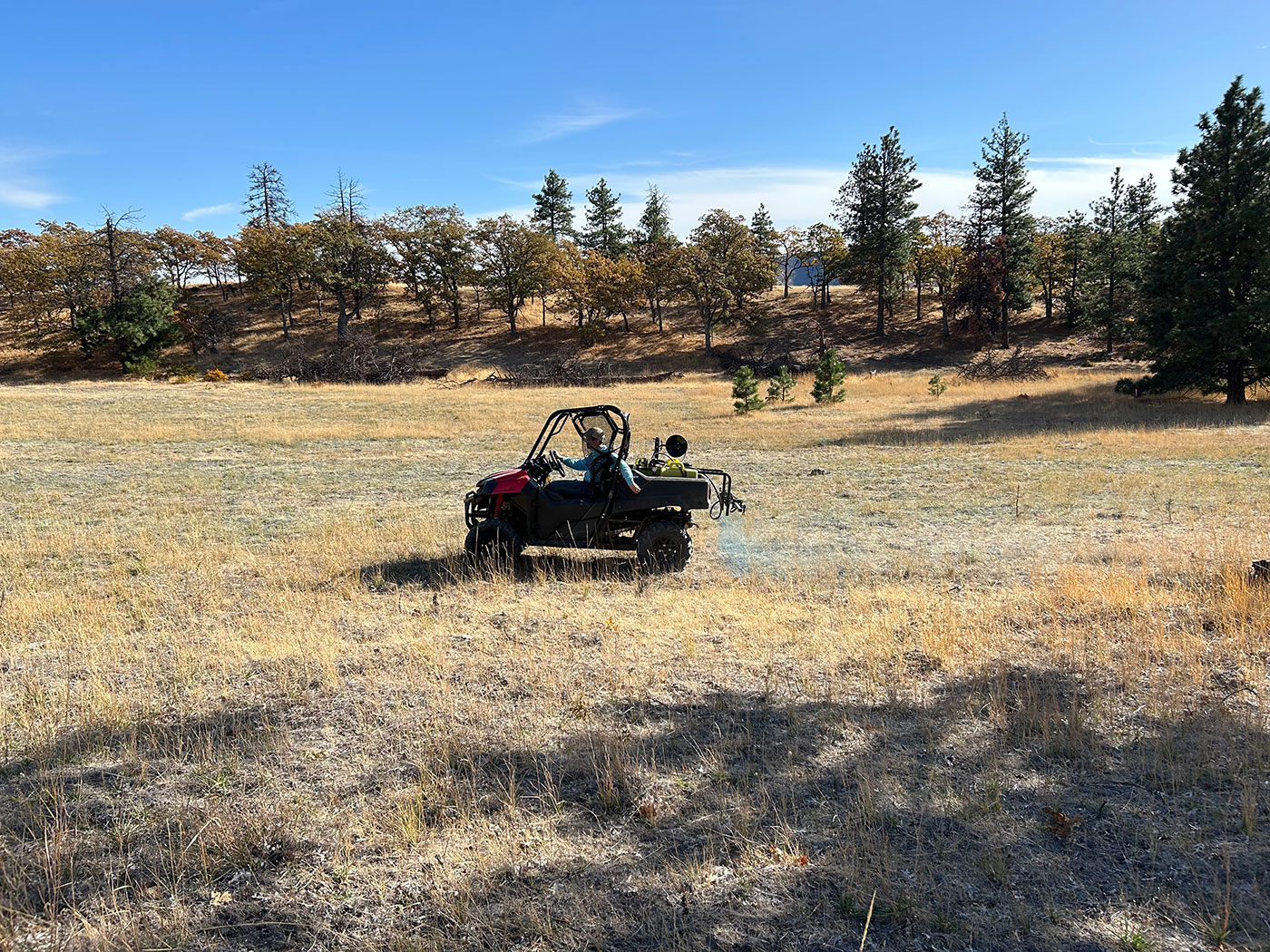
With OWEB-funding, ECOP partner Columbia Land Trust is restoring 20 acres of weed-infested oak savanna understory within Columbia Land Trust's Mill Creek Ridge Natural Area near The Dalles. The understory at this site was historically managed for livestock forage production, which included establishment of 13 acres of fields planted with forage grasses, and subsequently invaded by other nonnative grass and forb species. The restoration work includes multiple rounds of herbicide treatments over the course of four years to combat primarily nonnative grasses and rush skeletonweed.
These activities will be followed by reseeding with native species. Seed will be acquired from on-site collection as well as participation with other ECOP partners in a shared effort to collect seed from local native understory species and then grow out plants in a nursery to produce more seed for restoration projects.

Case study: Controlling undesirable plants with low residual impacts
This project is within the Confederated Tribes of Warm Springs (CTWS) Reservation of Oregon. The project areas host a mixture of Oregon white oak, ponderosa pine, juniper, incense cedar, and Douglas-fir. While native plants like snowberry, bitterbrush, arrowleaf balsamroot, and bottlebrush squirreltail grass are present, most of the understory is invaded by nonnative annual grasses. These include cheatgrass, medusahead, and ventenata.
Because culturally important foods and medicines are woven throughout the oak landscape, herbicide use to combat the expanding invasive weed population is not practical. Many herbicides are not tested for human consumption, or for processing activities that may expose folks indirectly. Instead, tribal stewards have chosen hand thinning, mastication, prescribed fire, seeding, and planting as tools for restoration. With OWEB-funding, the project will compare results from the different restoration techniques which will help CTWS determine the best tactics for ongoing oak release and understory restoration in culturally important places.
I want to plant native plants!
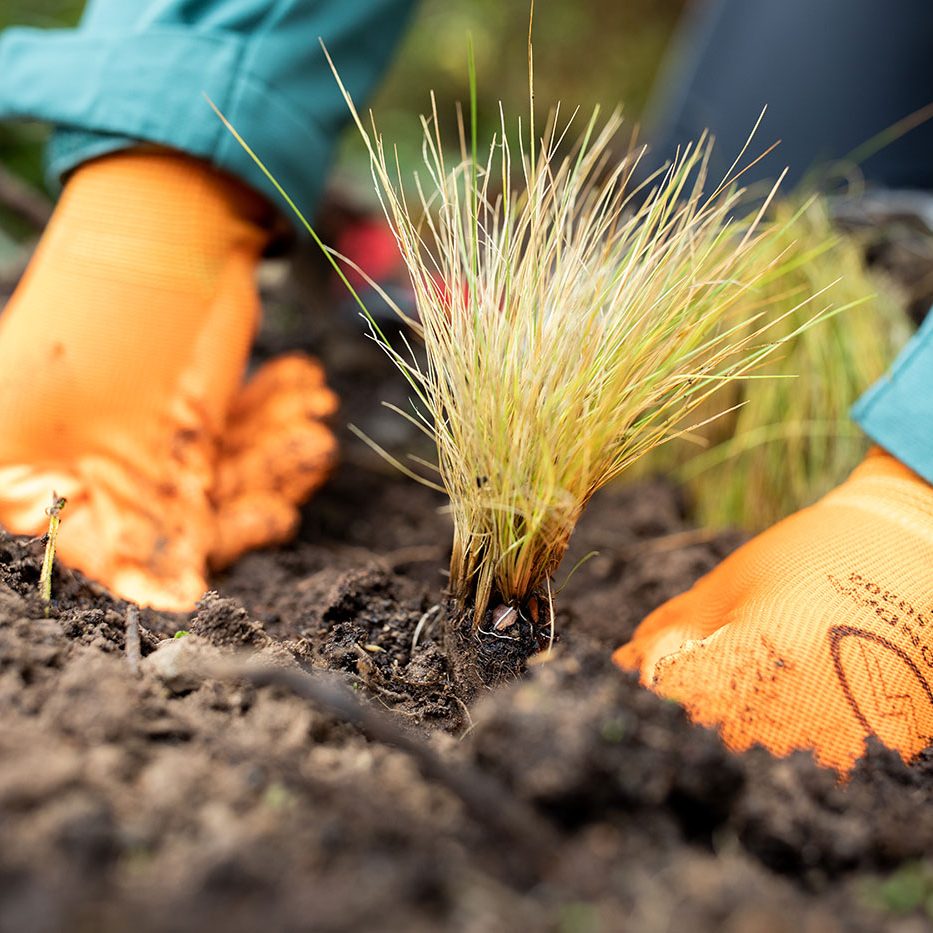
Different sites have varying levels of annual precipitation, exposure to sunlight, elevation, and soil types. These factors influence what plants will thrive on your site. Some plants love sun, some shade, some love wet soil, some dry, some prefer deep soils, others shallow, rocky soils. If you aren’t familiar with these factors for your site, learn more about your site and the plants it might best support.
Choosing the right plant species to install and selecting the most effective methods of seeding will depend on your ecological site, management goals, and species availability. ECOP partners are developing recommended seed mixes for our oak understories and are working to increase access to plant materials.
Other important lessons learned in the understory include:
Native plant resources
-
A deep dive into all the things to consider before seed meets dirt—what are your goals, preparing your site for seeding, and when/how to seed.
-
ECOP post on recommended grass and forb seed mixes for East Cascades depending on your management goals.
-
ECOP brochure celebrating oak understory including what you can do to protect and steward these unique plant communities.

Case study: Restoring native understory on the Mt. Hood National Forest
With OWEB-funding, the US Forest Service- Barlow District, is applying herbicide to invasive annual grasses on 200+ acres of degraded oak woodland in the Mt Hood National Forest. Herbicide treatments will be followed by seeding native grass and forb seeds. Some of these seeds are difficult to purchase or not available commercially. So, this project also explores the feasibility of collecting local seed and growing it out to expand supply.
I’d like to support healthy oak understory on grazed lands
Many places in the oak understory are utilized for grazing. Whether this use is a commercial ranching operation, a hobby, or a management tool, it helps to understand how desirable and undesirable plants will respond to grazing so you can successfully implement your management goals.
Spring is the time of year when forage in the oak understory is most nutritious and palatable for livestock. But it is also the time of year when most native plants are trying to flower and reproduce. If these plants are eaten when they are trying to flower and go to seed, especially year after year, the plant community will begin to shift toward plants that are adapted to those spring disturbances or toward plants that the livestock avoid eating altogether. These plants are called increasers and include several weedy species like annual grasses, as well as knapweeds, thistles, and mullein. But this dynamic doesn’t mean you can’t integrate grazing successfully into your oak woodland.
Pro Tip
Here are four tips from Dr. Tip Hudson with Washington State University Extension on how to promote native plant reproduction while grazing:


Example: Fall grazing
As a restoration tool, fall grazing can be used to break up existing thatch from undesirable grasses, improve seed-soil contact for native seeds, and reduce the amount of vegetation, or biomass, in the oak understory. For a regional example, check out how fall grazing was used on Dalles Mountain Ranch to control a grass monoculture.
Grazing for fuels reduction
Many people feel concerned about the flammability of plants in the oak understory. A native oak understory with its naturally clumpy bunchgrasses that stay green longer into the summer is fire adapted. Annual grasses, which overgrazing can promote, are more flammable than native, perennial bunchgrasses. Annual grasses can also grow in dense mats that create horizontal fuel continuity which contributes to more rapid spread of fire. Here are some considerations from Tip Hudson about using grazing to reduce fire risk:
-
The scorched earth approach – can damage the long-term fire resilience of rangeland by promoting undesirable species that are more flammable than perennial bunchgrasses.
-
The general principles of grazing for fire control include suppressing annual grass seed production and maintaining perennial plant vigor (see above!). Aim for moderate defoliation (not scorched earth), do NOT graze year after year when bunchgrasses are bolting, and provide periodic growing season rest.
-
If your understory does burn, allow plants to re-establish without grazing pressure for a season or two if possible, consider actively seeding in desirable perennial grass species, and control emerging weeds.
Additional grazing resources
For even more information about grazing, check out:
ECOP brochure on how to improve forage and native plant success in a changing climate.
This podcast provides education through conversation with some of the brightest minds in rangeland management…
Use this free and open source tool to obtain soil and ecological site identification based…
Use this tool to understand historical fuel loading and vegetation production in rangelands across the…
Pacific Northwest Pest Management Handbooks
An easy, searchable database for species specific weed control information.
Thank you
Thank you to our gracious ECOP members who reviewed this management guidance document and provided important feedback.
Last updated: April 2025