
Condition Assessment Tools


OAK MANAGEMENT PATHWAY
This page is a tool that supports Step 1: Learn Your Site within the Oak Management Pathway.

ECOP has developed an assessment tool to help you learn more about your site.
The ECOP Condition Assessment Tool (CAT) walks you through a series of questions that help you discern how your site may have changed over time in response to management choices or natural disturbances. This can help you identify potential restoration opportunities and uncover a pathway toward your desired future condition. 
Learn More

Background and purpose of the tool
Management choices – even passive ones – have impacts on what grows where (species composition) and how live and dead plants are organized (stand structure). A decision that supports one species or management outcome may be counterproductive for another. For this reason, and because people have different perspectives and values, this tool avoids prescriptive recommendations. Instead, it helps you make observations and think critically about how the site has responded to past influences. This form does not assign scores for condition, but your responses can be used to understand if management may be needed with a few simple analyses. Guidance for analysis is provided in the CAT tool.
The assessment tool borrows concepts from Washington Department of Natural Resources Natural Heritage Program’s Ecological Integrity Assessment. The CAT tool also relies on historical conditions described in NRCS’s Ecological Site Descriptions, which provide a classification of oak systems that serve as a basis for assessing a site’s current state.
Many thanks to our ECOP CAT working group who has been refining and field testing this tool since 2022! To learn more and download the form, check out the ECOP Condition Assessment Tool Instructions.
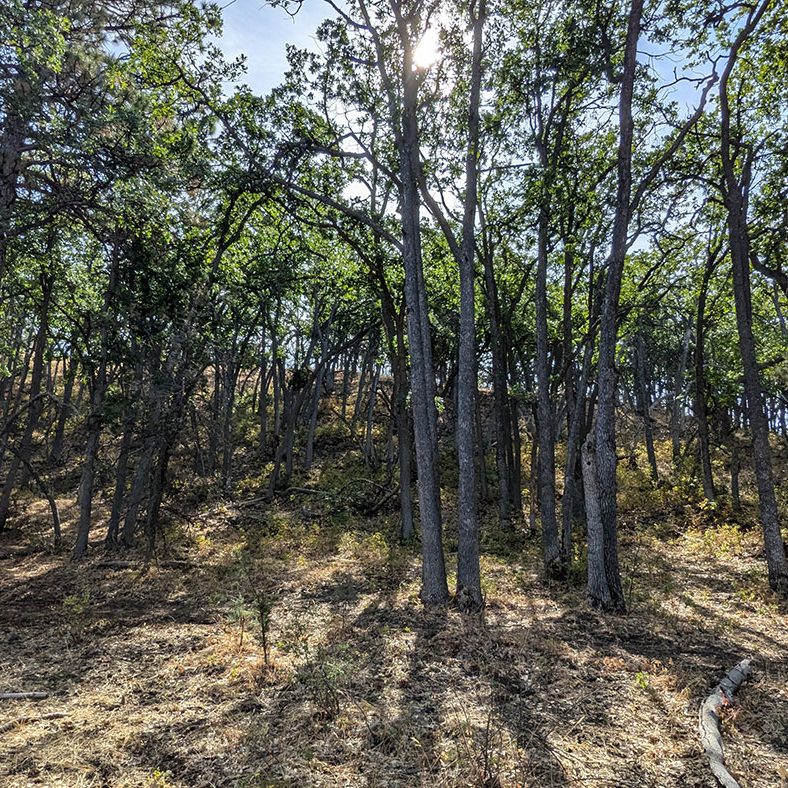
Case Studies
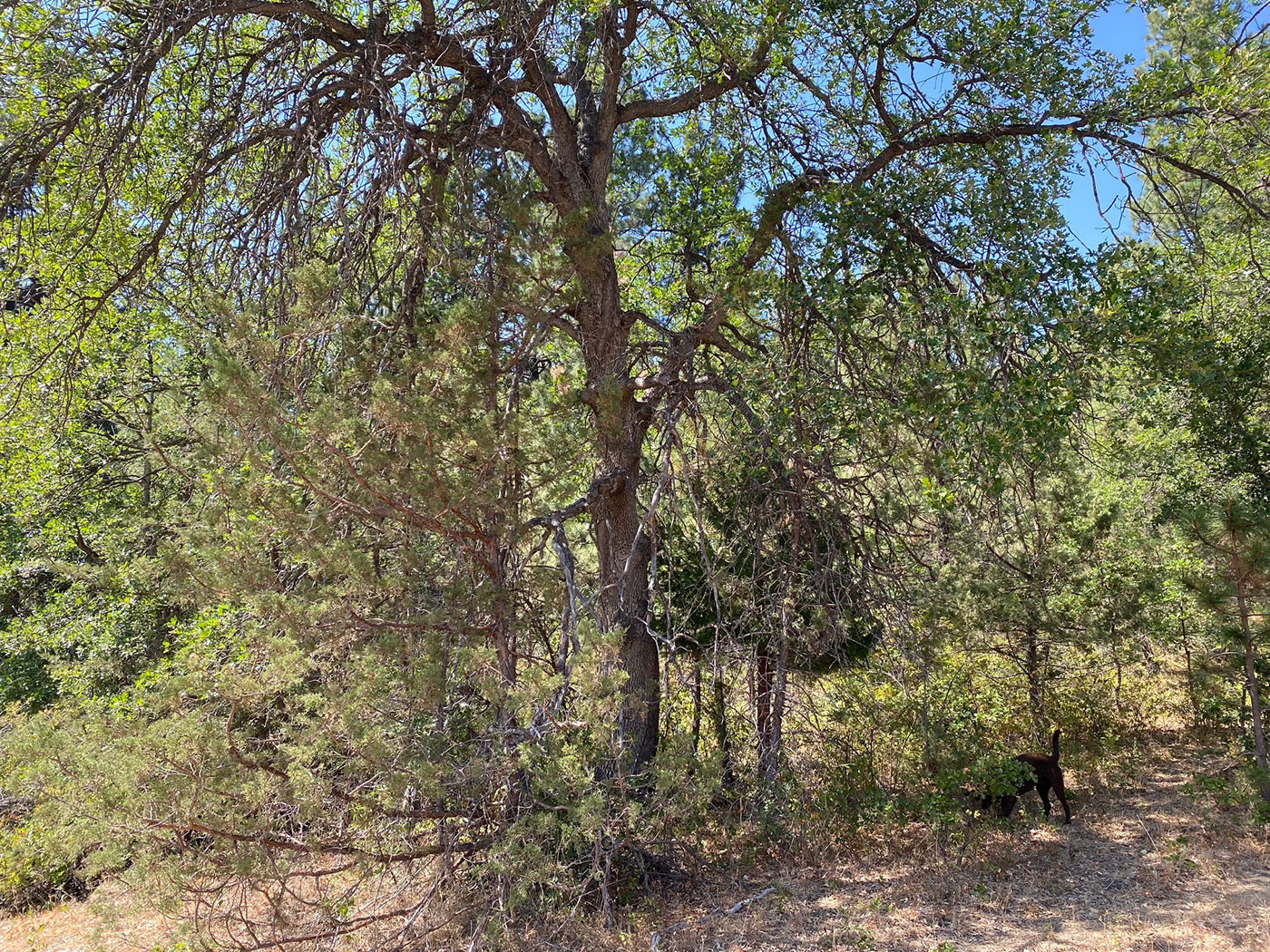
Confederated Tribes of Warm Springs Reservation
The Confederated Tribes of Warm Springs Reservation of Oregon (CTWS) includes the southern extent of Oregon white oak in ECOP’s priority geography, an area particularly impacted by climate change, drought, and risk of fire. In 2023, we partnered to develop an assessment and monitoring approach that identifies restoration priorities supported by tribal management goals. The assessment results will guide future restoration approaches. Over 90 sites were assessed in 2024 and will inform future restoration projects funded through the Oregon Watershed Enhancement Board.
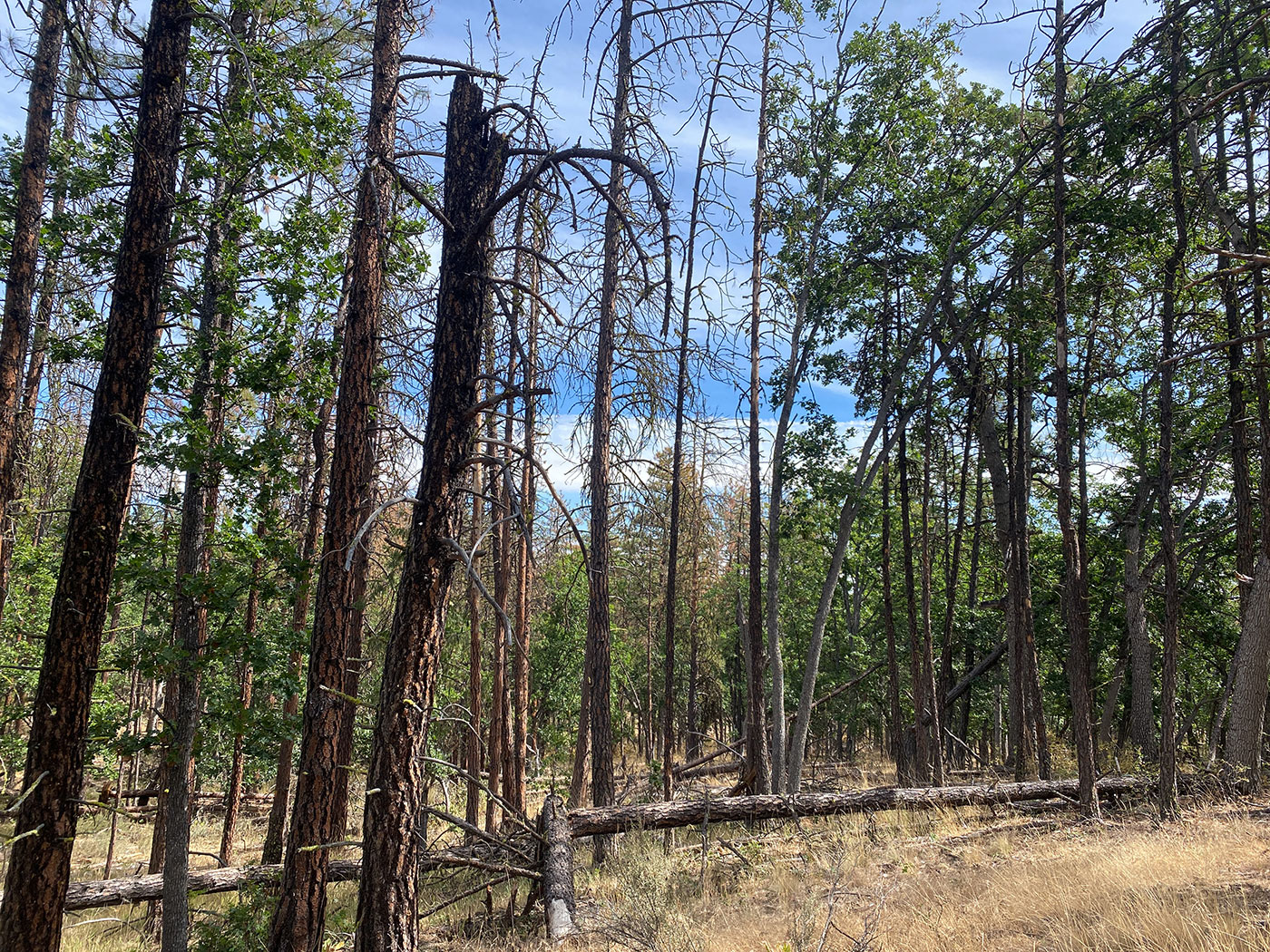
White River Wildlife Area
White River Wildlife Area, managed by Oregon Department of Fish and Wildlife, has been particularly impacted by climate change, drought stress, and fire. With a widespread need for restoration, we deployed the CAT tool to prioritize restoration opportunities on the Wildlife Area. Over 7,000 acres were assessed in 2024, helping guide future restoration efforts.