
Ecologically Appropriate Plant Materials


Selecting the right seeds
Using ecologically appropriate (also called genetically appropriate) plant material (seed, bareroot seedlings, plugs, or potted plants) can improve the initial success and long-term viability of your planting. But what does that mean?
Different individual plants across the geography of their species’ range have different genetic characteristics. According to the Bureau of Land Management’s National Seed Strategy for Rehabilitation and Restoration, “Genetically appropriate plant materials are environmentally adapted to a restoration site and are likely to establish, survive, and promote community”. For a plant or seed to be ecologically appropriate for your site, it should be sourced from a geographic location that has similar environmental conditions to your planting site. This strategy ensures your plants will have traits and adaptations appropriate for your site conditions.
Sourcing plant materials from multiple sites within the same local area can preserve genetic variation, which is helpful for long-term sustainability. Having ecologically appropriate and diverse plant materials may increase their resilience to stressors and improve the long-term success of your planting. However, finding sources for ecologically appropriate plant materials for restoration has been a challenge for many in the East Cascades.

Climate Change
Another important consideration when choosing the right plant materials is understanding the direction your site is going in the context of climate change. The Bureau of Land Management suggests you “…determine genetically appropriate plant materials and seed zones in order to maximize restoration success in light of the most reliable short-term (10-30 year) anticipated climate changes”. In the East Cascades, it is predicted that sites will become drier or experience more extreme heat events. Selecting seeds from drier sites could be helpful.

Learn more about seed zones and plant genetics:
A seed zone is an area where plant materials can be transferred with little risk…
USFS Native Plant Materials Genetics
This webpage from the US Forest Service explains more about protecting plant genetic resources. Safeguards…


Finding ecologically appropriate plant materials
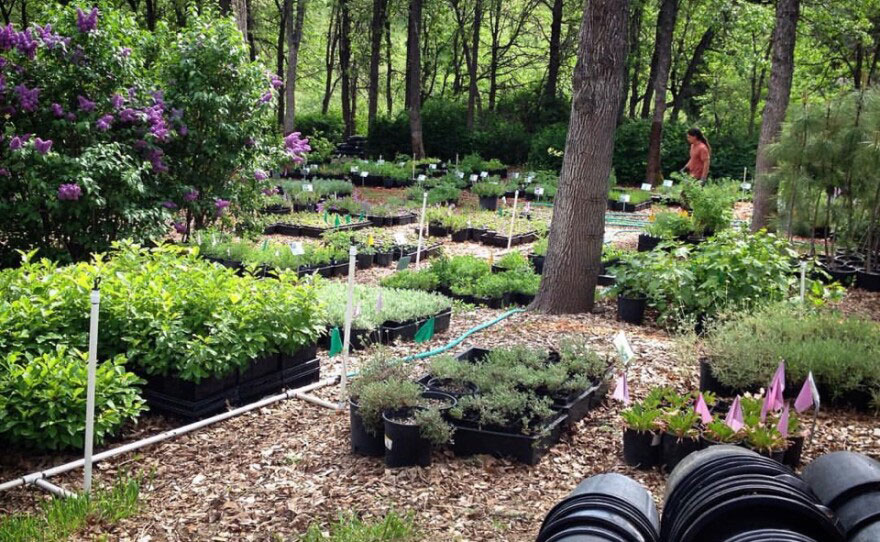
The way that commercial seed is produced or the location where it is grown can influence how it responds at your site. If a seed producer is growing a certain species in a moist environment, but you want to use it on a drier restoration site, those plant materials may not be adapted to your site conditions as well as individuals that have spent multiple life cycles at dry site conditions.
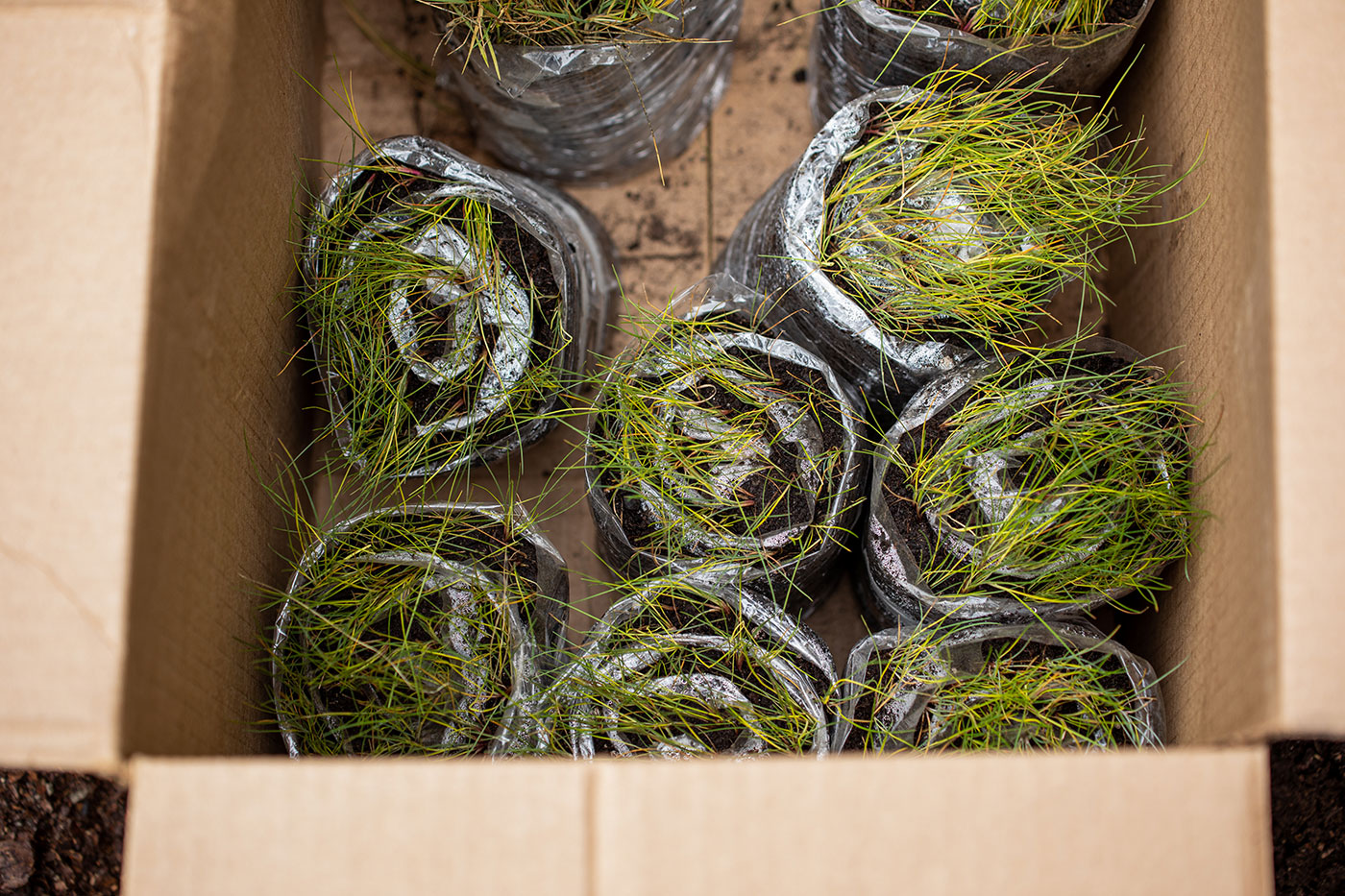

ECOP has collated a list of plant materials producers and resources in our geography. If there are no ecologically appropriate sources for the species you need, you may be able to collect sustainably from local populations you are permitted to access. You can also contact growers about contract growing, a process where you (or a contractor) collect and provide seed to the producer, and they grow it out for seed. Know that this process will take a few years to complete since the producer will need to grow multiple generations. Another source for locating native plant materials is the Xerces Native Plant Materials Directory.
Thank you
Thank you to our gracious ECOP members who reviewed this management guidance document and provided important feedback.
Last updated: April 2025