
Native Plant Species
For East Cascades Oak Habitat Restoration
Balsamroot

OAK MANAGEMENT PATHWAY
This page is a tool that supports Step 2: Make a Plan within the Oak Management Pathway.

Oak systems in the East Cascades are home to a diverse array of native understory plant species. Deciding what you’d like to plant or seed depends on your goals and what your site can support.
Learn what plants your site can support by determining which Ecological Site you are working in. You can view what plant species are a part of the “reference community” and use that knowledge to help design a seed mix. Another great way to decide what plant species to include in your mix is to walk around your site and observe what species are thriving. Those species are likely to do well at your site if seeded or planted.
Let's dive in!

Recommended plant species
ECOP’s Native Plant Materials working group has collated a list of priority grass and forb species for restoration in East Cascades oak habitats. The list below is a starting point—review your Ecological Site Description for your site and consult with experts to further refine your desired seed mix.
Recommended Oak Understory Plant Species
*Dependent on a variety of factors such as your site history and condition
If you have questions about the species on this list, others you’d like to suggest, or to request the table as an Excel file, reach out to oaks@ColumbiaLandTrust.org.
In the section below, you can learn more about a few of the widespread and often dominant species listed in the recommended oak understory plant species list.
Grasses and Sedges:
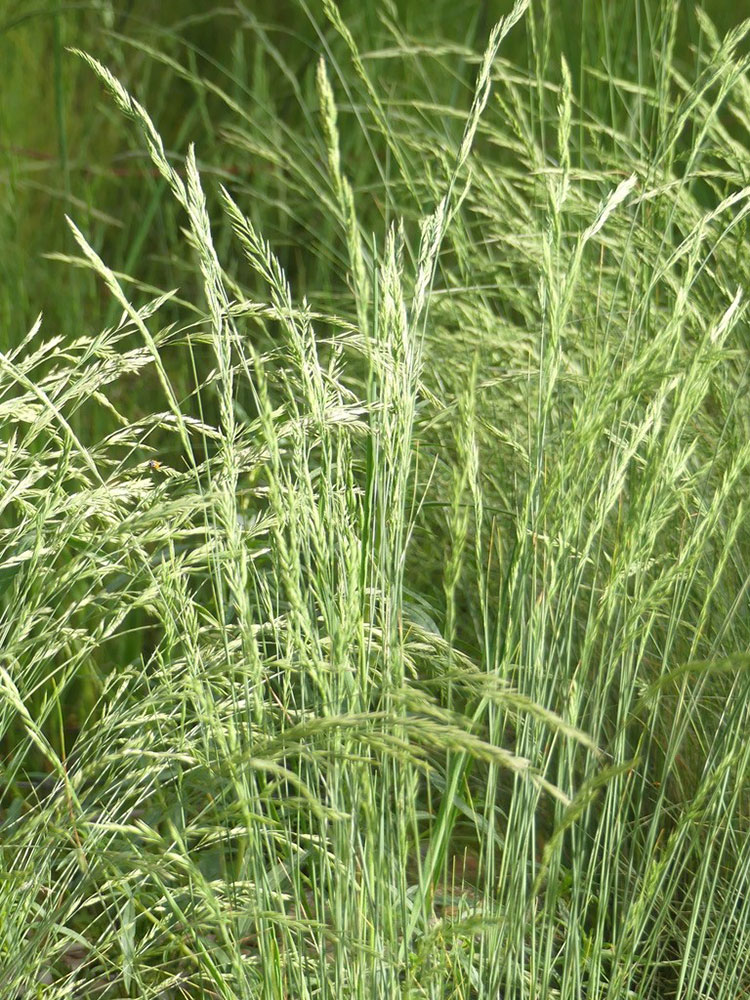
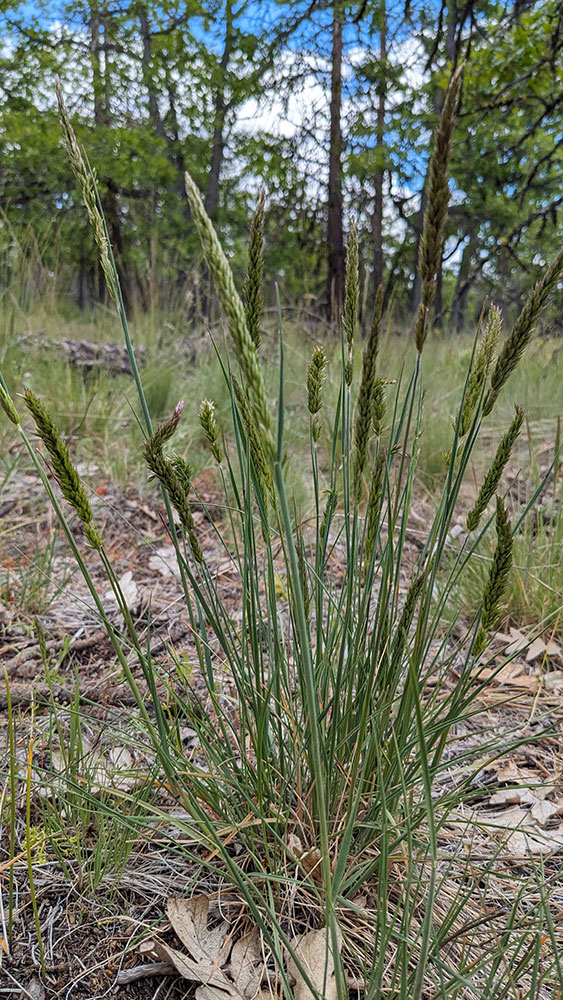
Perennial grasses and sedges are a critical part of the oak understory with deep roots that stabilize soils, a clumpy growth that is more fire resistant than invasive annual grasses, and nutritious aboveground leaves and stems that provide forage for wildlife. Here are some of the more common and widespread native species:



Forbs:
-
There are many species of balsamroot, but this is a common wildflower on sunny slopes throughout the East Cascades and offers many benefits. It takes years to bloom, but they are well worth the investment!
-
There are several native species of native buckwheat. Arrowleaf buckwheat, tall woolly buckwheat, or snow buckwheat (E. compositum, E. elatum, E. niveum) are some of the more common species.
-
There are many species of lomatium in our area and even an endemic species to the Columbia River Gorge, Lomatium columbianum. Barestem desert parsley (L. nudicaule) and narrowfruit biscuitroot (L. triternatum- recently renamed to L. brevifoloium in our area) are some of the most common species.
-
Lupines produced beautiful, showy spikes of flowers. They have nitrogen-fixing roots and attract a variety of pollinators.
-
A drought tolerant and pollinator-friendly plant. It provides nectar later in the summer when many other plants have finished blooming.
-
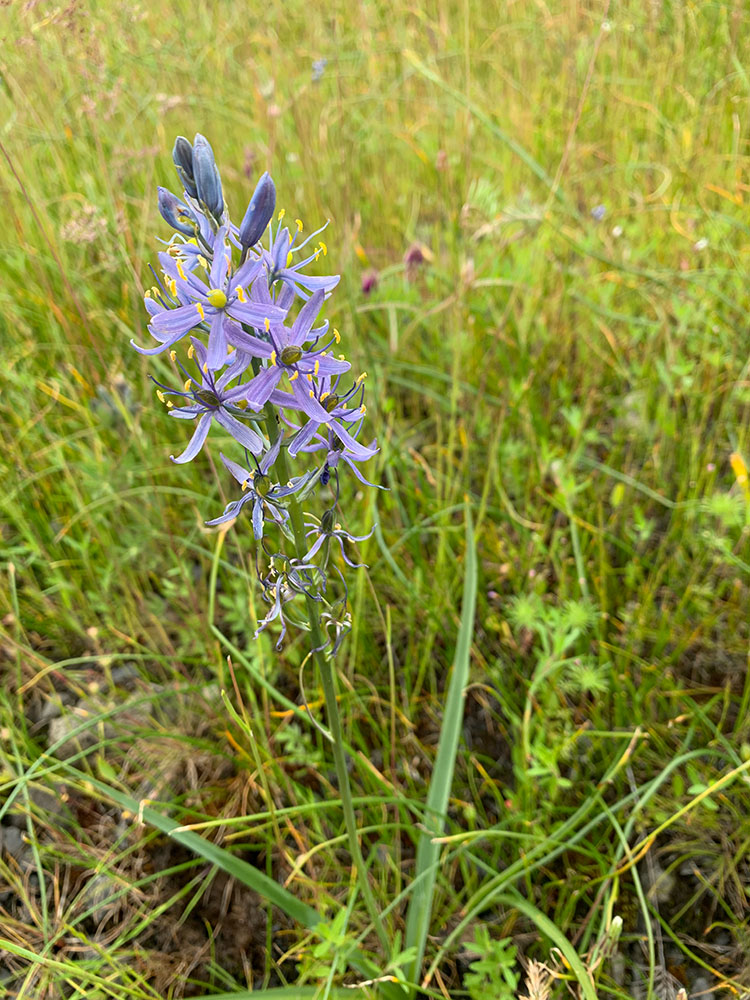
This is a culturally important plant that grows in seasonally wet meadow habitats. Camas is also important for wildlife and pollinators.
-
This yellow flowered plant likes well-drained soils, is pollinator-friendly, and spreads rapidly once established.
-
Considered a ‘work horse’ species because it establishes quickly and easily. It is widespread in our region and adapted to most habitats.




Commercial seed mixes that are designed for the East Cascades
BFI Native Seeds East Slope Cascades Mix
This mix from BFI contains six perennial grass species and is often used by ECOP…
This company has a “Tough and Tenacious” mix with a hardy perennial forb emphasis and…

Pro Tip
Grass seed is generally cheaper than forb seed, but don’t forget to include forbs in your mix to hit your goals of increasing biodiversity and providing resources for pollinators!


Planting oaks
Oregon white oak is drought tolerant, fire resilient, pollinator friendly, and provides wildlife forage, making it a great species to include in your planting. We recommend planting acorns collected from your site or from a nearby area that experiences similar conditions. It is possible to transplant oak seedlings; however, their long tap root makes transplanting them less successful than many other species. See ECOP’s Acorn Planting Guide for specific instructions.
Further resources
The Pacific Northwest Native Plant Primer
Packed with proven advice that every home gardener can follow, this incomparable sourcebook profiles 225…
NRCS Technical Note: Plants for Pollinators in Oregon
The purpose of this technical note is to provide information about establishing, maintaining and enhancing…
Pollinator Plantings for Wasco County
This list was developed by the Xerces Society for Wasco County, OR. It contains both…
Share your seed mix suggestions and your restoration project results with us at oaks@columbialandtrust.org!
Thank you
Thank you to our gracious ECOP members who reviewed this management guidance document and provided important feedback.
Last updated: April 2025