
Oak Observations October 2025
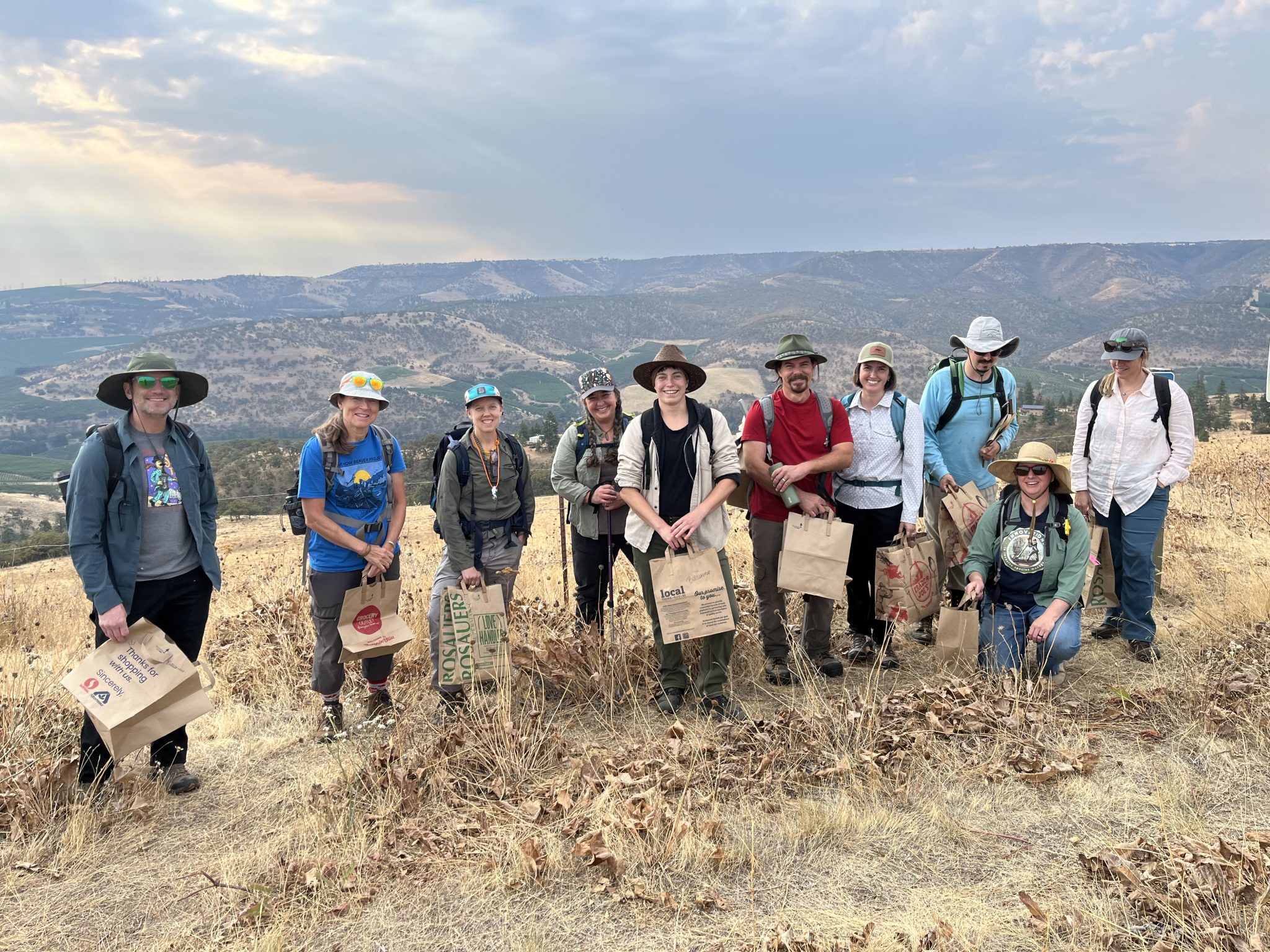
ECOP's Native Plants Working Group Collects Native Seed to Restore Oak Habitats
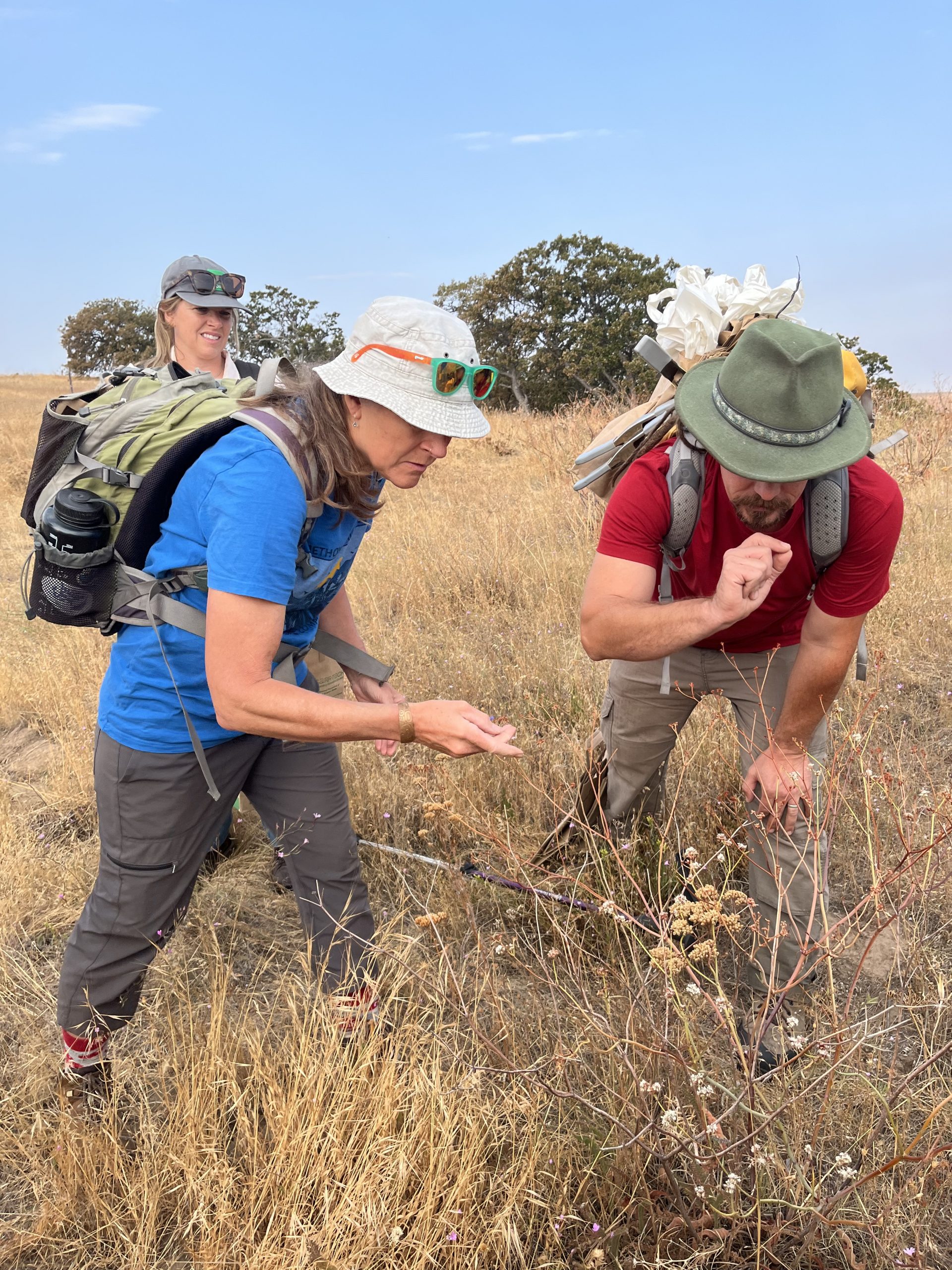
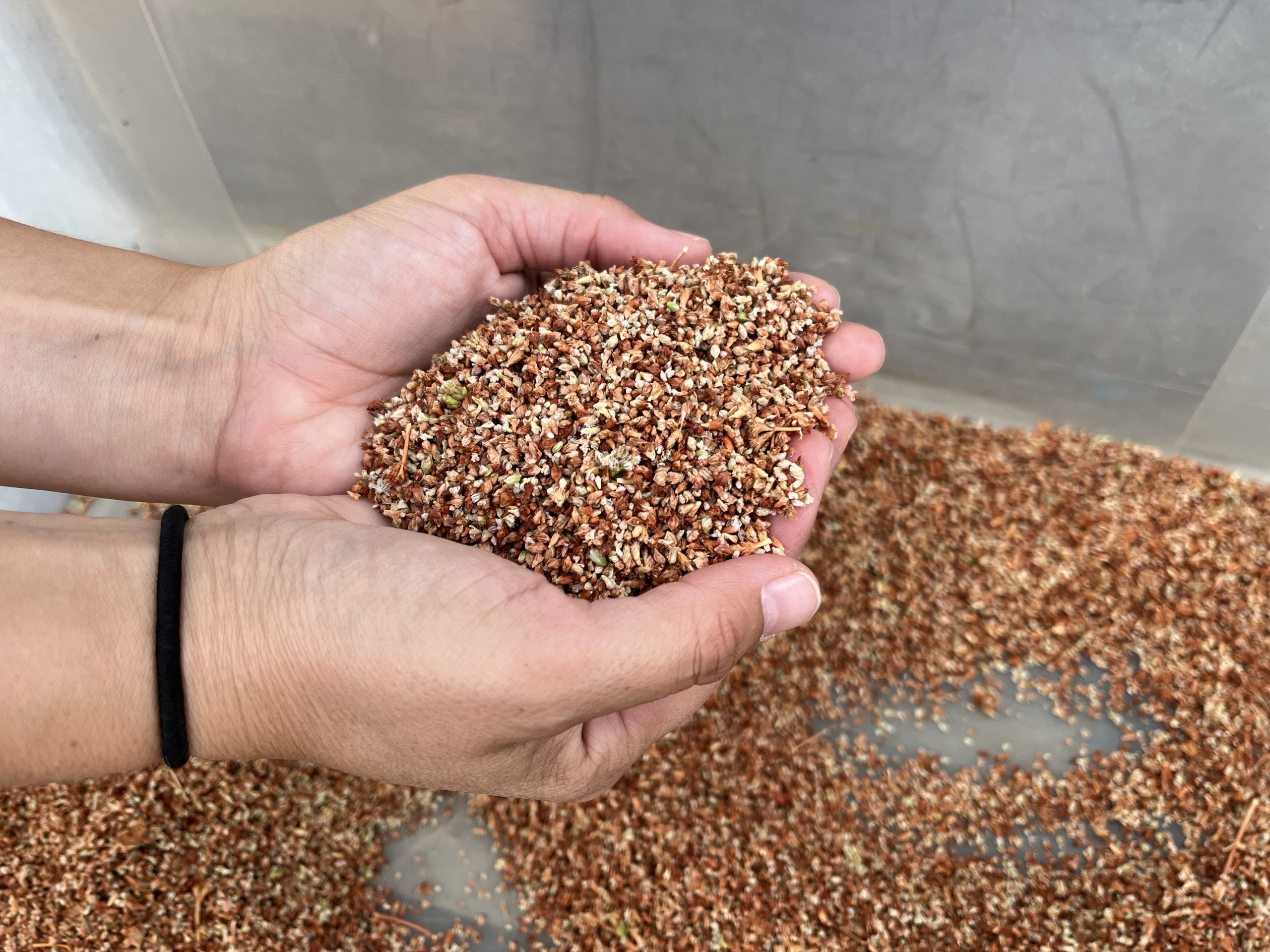
ECOP partners with Humble Roots Nursery led a team of volunteers and working group members on a seed collection event this fall. Volunteers from the Rae Selling Berry Seed Bank & Plant Conservation Program, Yakima Nation Fisheries, Friends of the Columbia Gorge Land Trust, US Forest Service, and more joined together to collect tall wooly buckwheat seed and learn together!
Tall woolly buckwheat (Eriogonum elatum) is a perennial forb found in oak understory habitats. It can be a wonderful addition to restoration plantings because it establishes easily and is resilient to droughty conditions (thanks to its thick taproot). It thrives on dry hillsides and rocky ridges making it a great option for sun exposed sites. Growing up to 4ft tall with white to pink blooms that last late in the season, it provides resources to pollinators at a time when many other plants have already bloomed out.

Different plants perform better in certain places under different circumstances and offer all kinds of habitat values. For additional ideas about what to plant in restoration projects in the East Cascades, ECOP’s working group has put together a list of recommended species based on different management goals.
One of the challenges of seed collection is knowing when to collect. This season was full of surprises. Variable conditions led to a late bloom, with the buckwheat flowering about a month longer than we anticipated. We adjusted our collection date and intrepid volunteers were undaunted by the delay. When we set out to collect, we found that some seeds had been aborted or knocked down by rain. Nonetheless, thanks to many hands making light work, we were able to collect seed that will be used to establish native biodiversity following restoration treatments of weedy species at Mill Creek Ridge Natural Area.
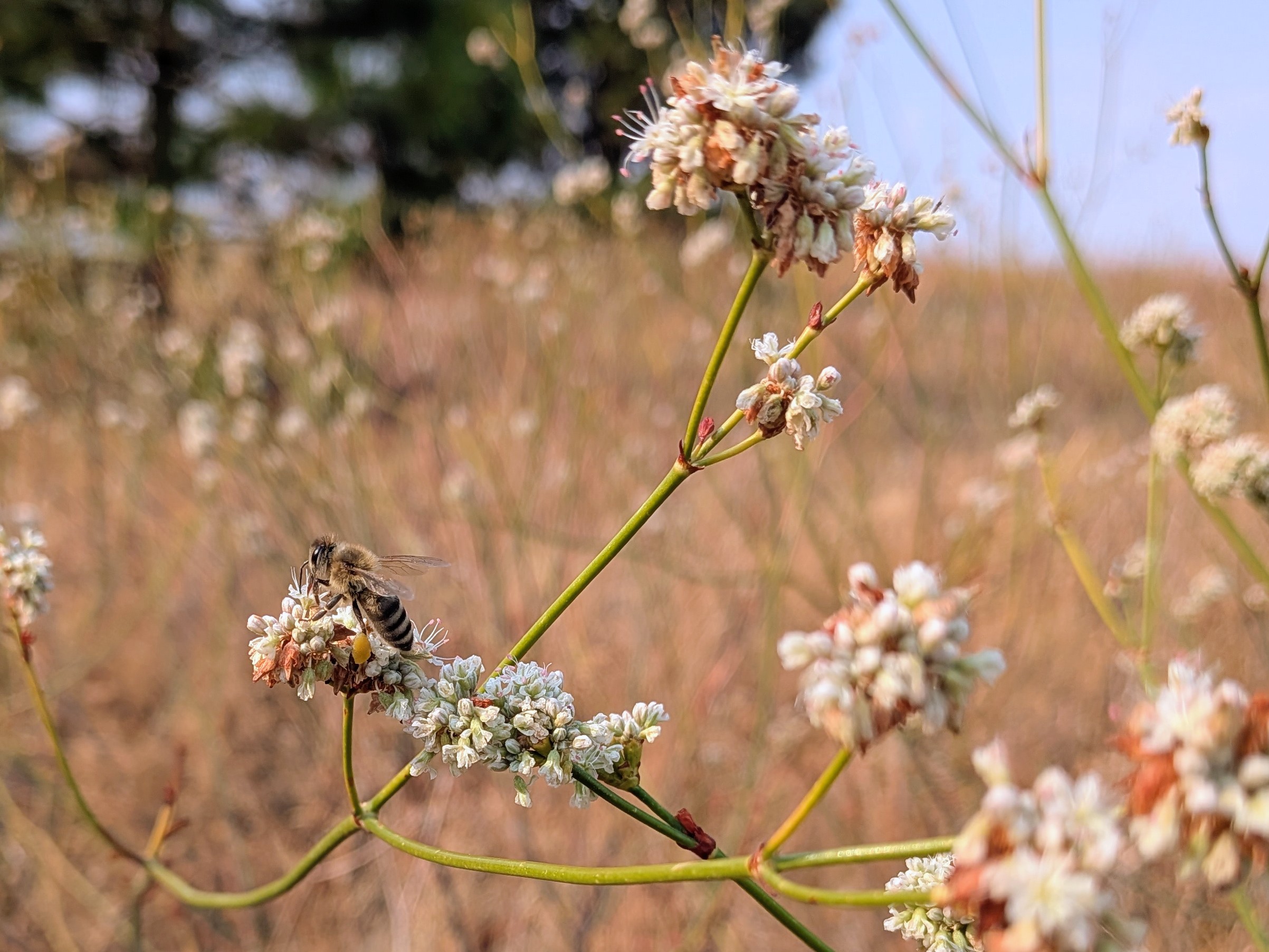
Volunteers were careful not to over-collect, and to practice “messy collection” which ensures a population is not overly impacted by our activities. For more information on sustainable seed collection methods, visit ECOP’s Planting and Seeding Guidance page.
Later this year, our team is planning a seeding event in the Mt. Hood National Forest. If you are interested in volunteering to collect or distribute native seed, reach out to Oaks@ColumbiaLandTrust.org and we’ll add you to our roster. We are grateful for members of the ECOP Native Plants Working Group who volunteer their time and unique expertise toward resolving a complex problem we all face: accessing native plant materials for restoration and caring for this special place we call home.