
Oak Management Pathway






Step 3.1: Who will do the work?

Now that you have a plan, you will need to decide who will implement it. Are you planning to do the work yourself? Some restoration activities may require certifications, special equipment, or you may need more hands on deck to get the job done! Contractors are one way to address your project needs. From skills to equipment, they can help you achieve restoration on a larger scale than an individual could implement alone.

Choosing a contractor
There are many qualified forestry contractors who can help with restoration work on private and public lands. Below, we’ve listed a few directories to help you locate a contractor. Remember as you work with a contractor to keep your goals in mind. Don’t be afraid to ask for what you want and assert yourself if you aren’t getting it.
Knowing how to choose the right contractor and how to go about securing them can be intimidating. Oregon State University Extension has put together a helpful guide on choosing a contractor to navigate this process. In tandem with this guide, they’ve created a publication describing basic principles of contract law. It includes helpful definitions of common contract terms and provides sample contracts.
The following lists of forestry contractors were put together by various organizations and represent known contractors in the area. These lists do not imply an ECOP recommendation.
Washington State University Consulting Forester and Silvicultural Contractor Directory
A compilation of forestry professionals around Washington State who provide professional services to private forest…
Oregon Forest Industry Directory
This directory facilitates the establishment of business connections between the broad array of interests in…
Operators and Service Providers in the Hood River and Wasco County
From the Oregon Forest Resources Institute, this lists contractor contact information for loggers, buyers, timber…
Washington DNR Find Your Forester
Washington State has trained natural resource professionals available to provide assistance to forestland property owners…
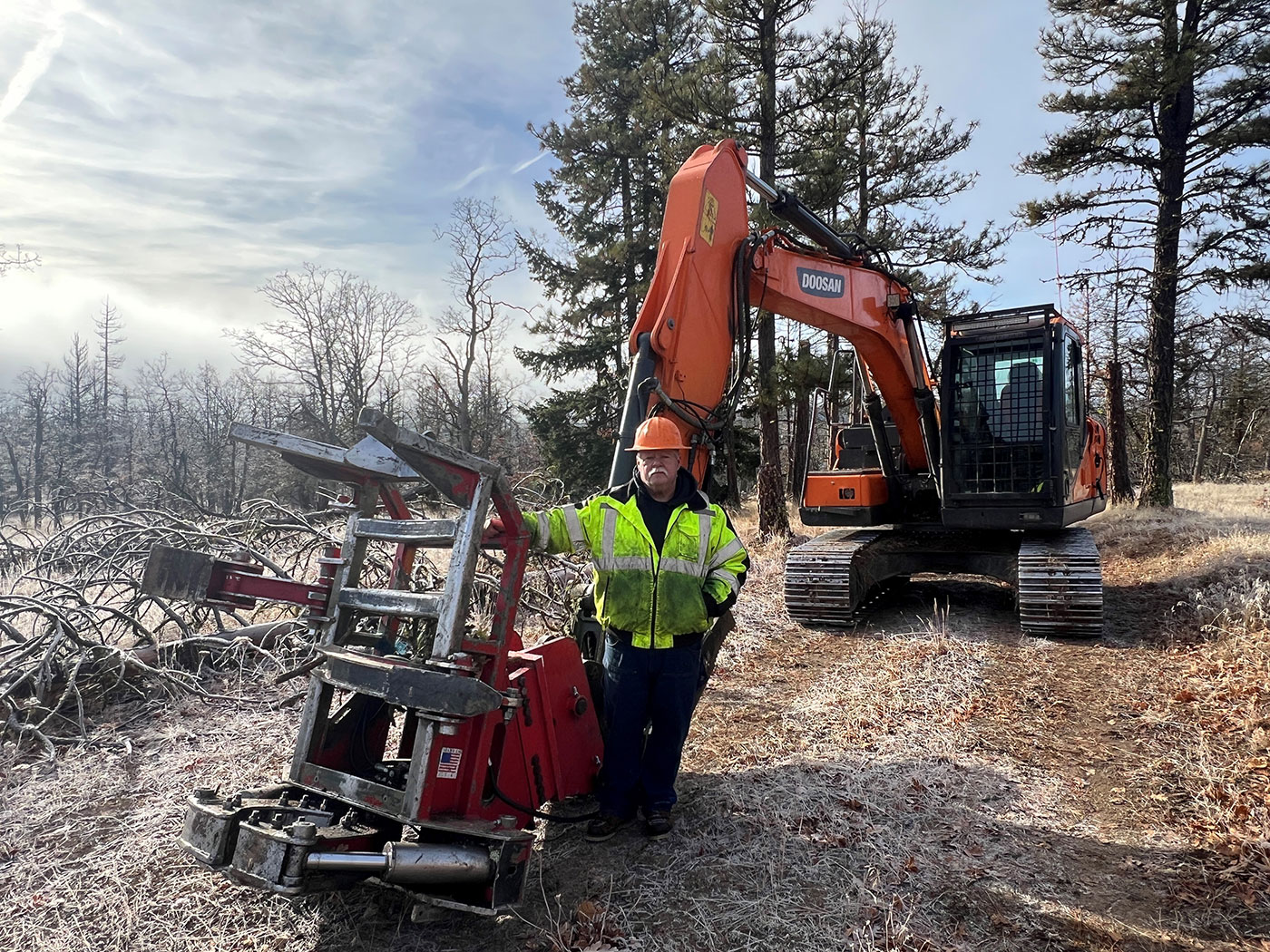


Sometimes, restoration projects produce materials that can be sold to offset the cost of your project, as is often the case when addressing encroachment by Douglas-fir. OSU’s Oregon Forest Industry Directory is designed to help woodland owners make connections beyond just contractors by sharing contact information for local log buyers, non-timber forest product buyers, and more. In Washington, small forest landowners can find assistance from the Washington DNR’s Financial Assistance Program.