
Oak Observations August 2026
Native Plants Working Group Shares Assessment
ECOP coordinates a Native Plant Materials Access Working Group. Our goal is to help improve access to the native plant materials needed to steward and restore the beloved Oregon white oak habitats of the East Cascades. Over the past few years, the working group conducted an in depth analysis of limiting factors, gaps in availability, and potential solutions to fulfill the need for seed! With the completion of our Technical Assistance grant with OWEB, we finalized our Native Plant Materials Availability Assessment documenting our learnings and articulating potential paths forward.
The first step included characterizing current commercial availability of native plant materials. We collated all the producers we could find into a handy list that you can now use to secure materials for your project. We also surveyed restoration professionals to learn about their desired species and the amount of materials they anticipate needing in the years to come. From there, we interviewed the largest producer of native plant materials in our area, BFI, to understand what species they have in common with our needs, and where they collect seed from. This is important in determining how well the plant materials they are producing might grow in East Cascades oak habitats. Check out our guidance on ecologically appropriate plant materials to learn more about why local collection matters.
Working group members then conducted an in depth assessment of over 80 native plant species in our area. We looked at the ecological roles each plant plays, investigated their current commercial availability, and surveyed restoration practitioner’s needs. From this assessment, we prioritized species to focus seed increase efforts around.
We also assigned each species to oak Ecological Site Descriptions, so that users of ECOP’s CAT tool will have a list of native species that are appropriate for their restoration sites! When we surveyed restoration practitioners, we learned that many wanted more help understanding which species to plant, and so our priority lists serve this technical assistance role in addition to helping guide our path ahead toward increasing production of plant materials.
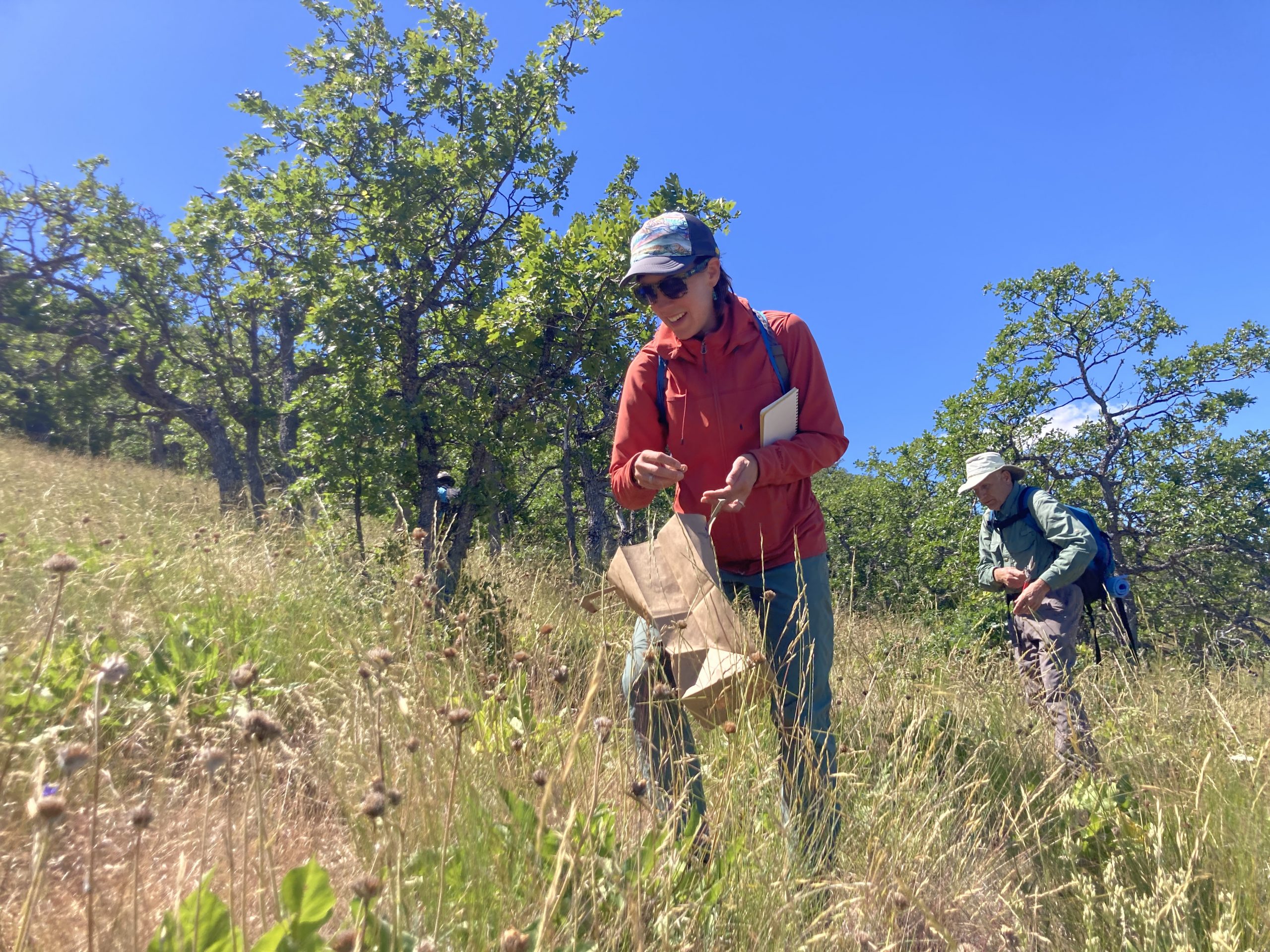
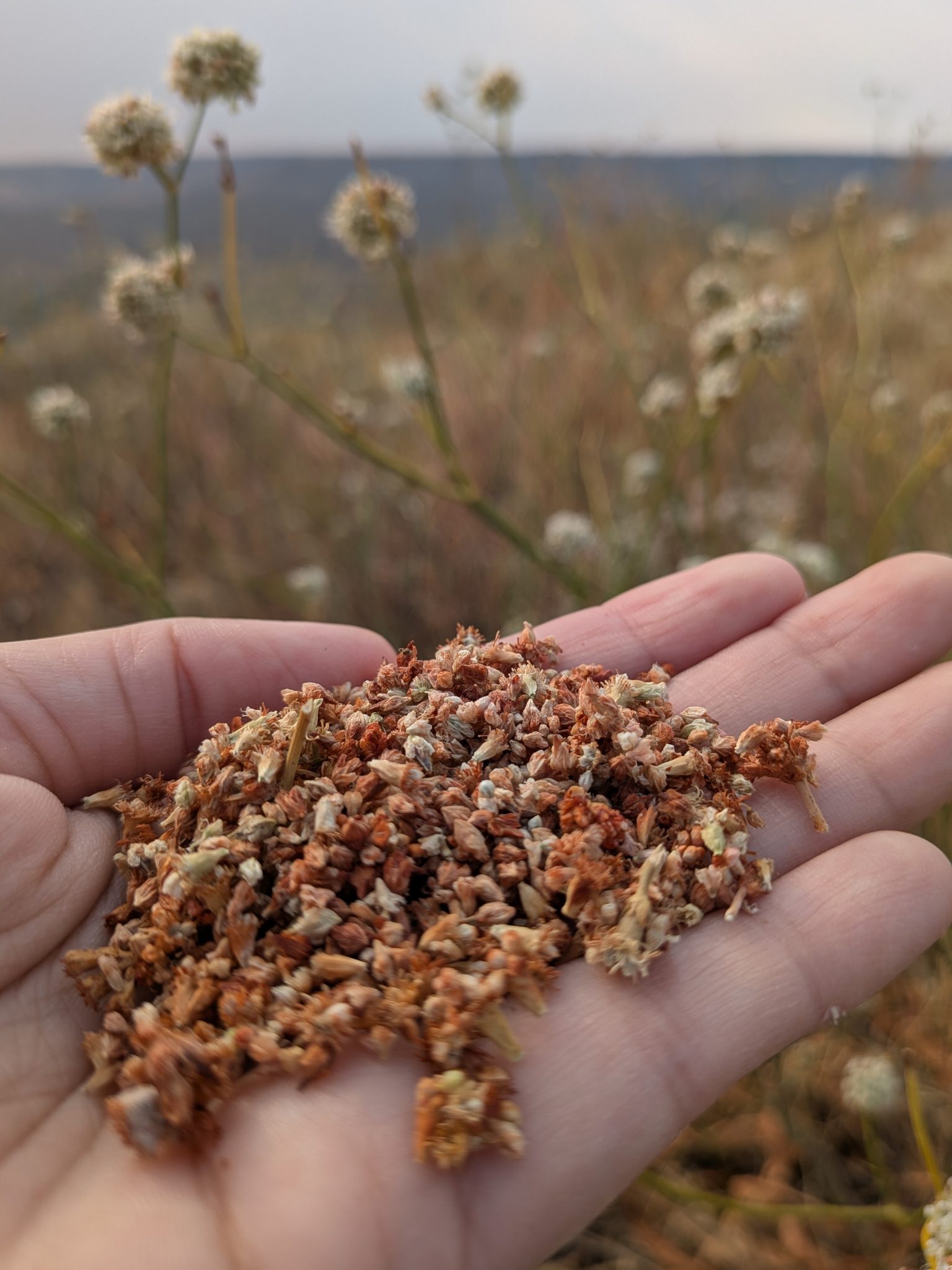
Now that we have done the work to characterize current availability, potential demand, prioritize species, and conducted a mapping exercise to understand seed zones in our region and identify collection areas, our working group is seeking funding and capacity to increase local production of plant materials. We hope to connect with local farmers, private landowners, and partners managing public lands to establish production fields. In the meantime, our group of mighty volunteers continues to collect priority forb species, ensuring local collections of native plants are available for restoration projects. This helps protect the biodiversity in oak habitats while larger scale solutions can come to fruition.
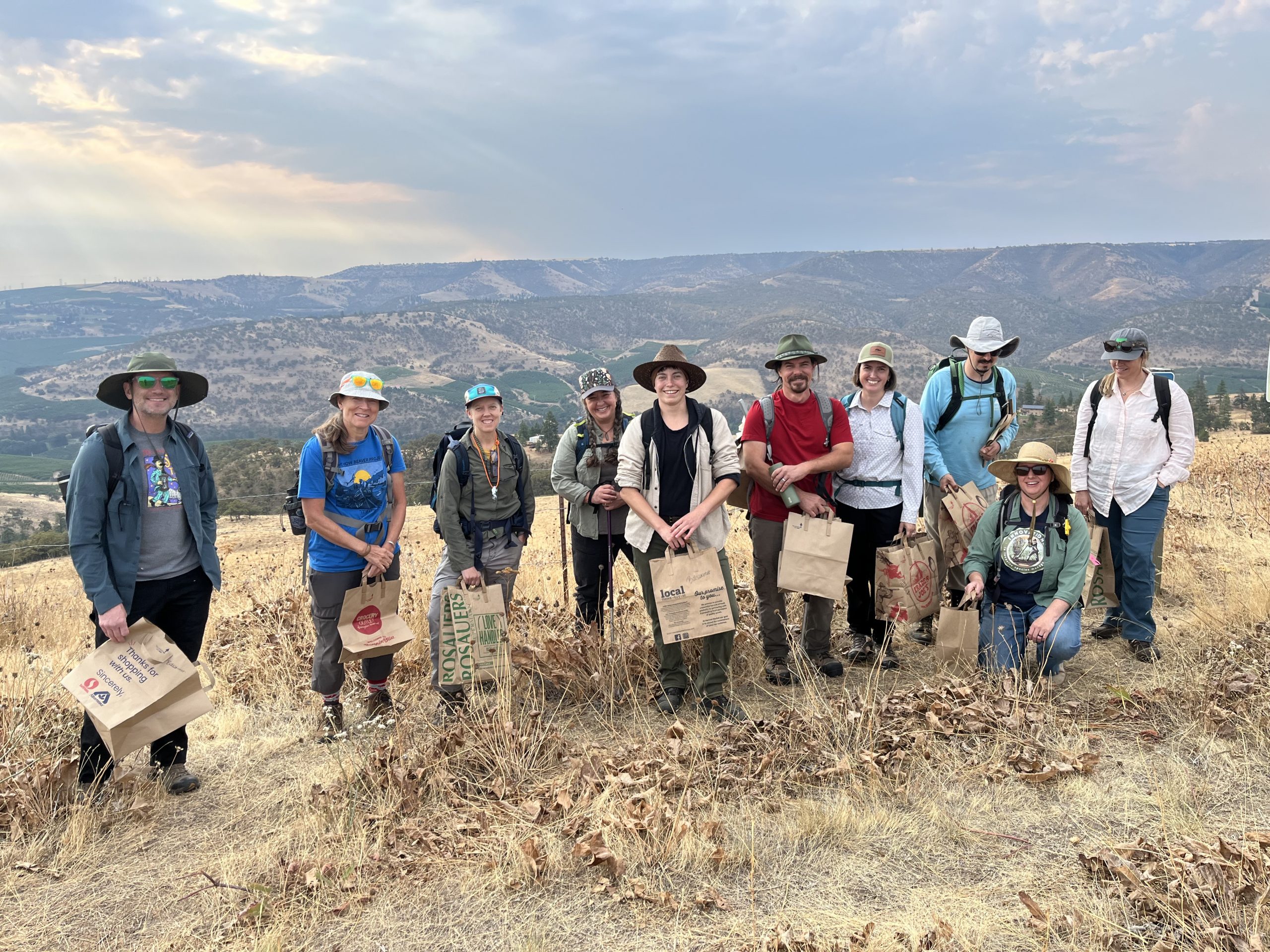
Thank you to the working group members who have given their time and expertise to this project along the way!