
Oak Observations April/May 2026
Mosier Watershed Bioblitz
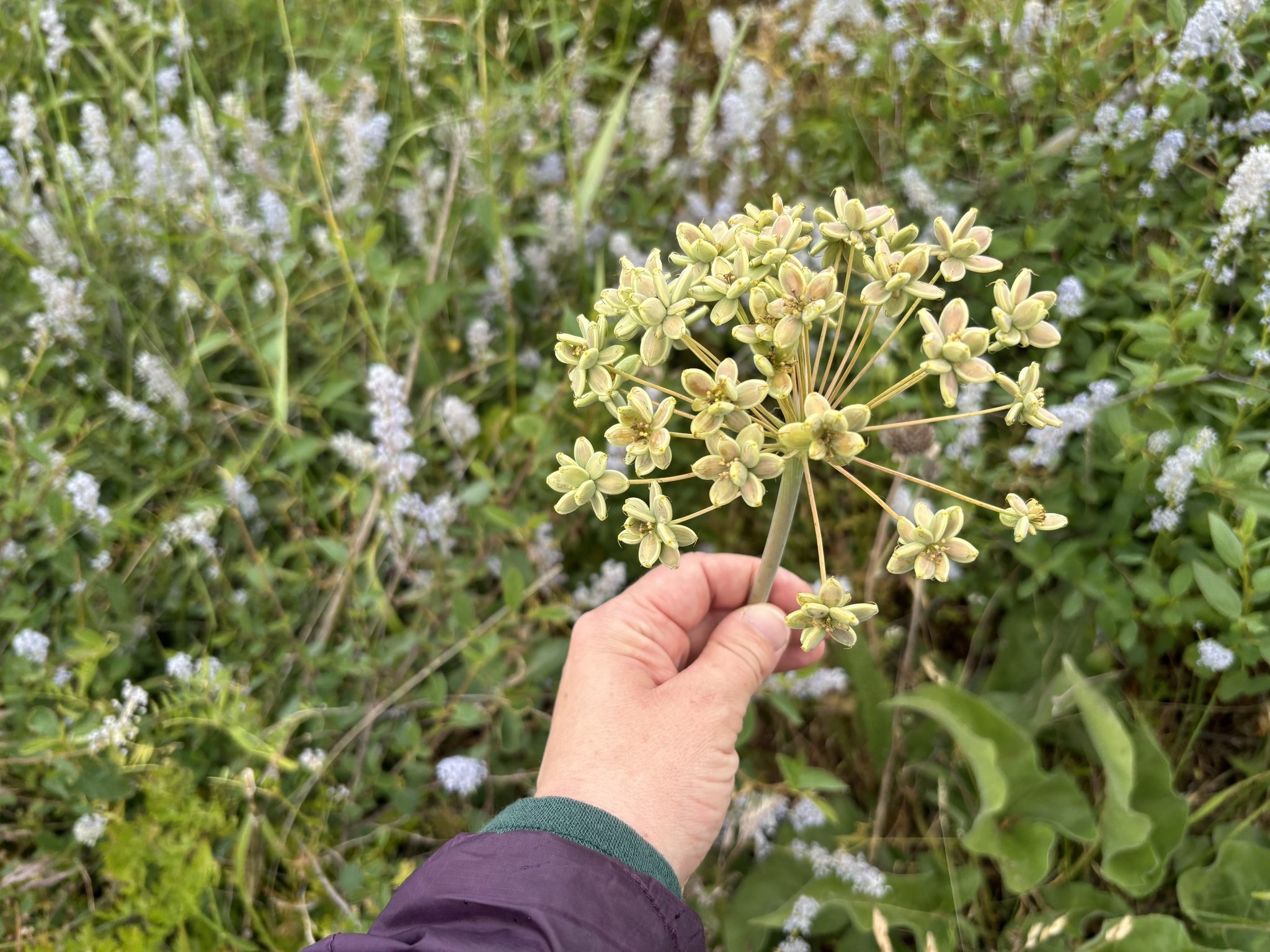
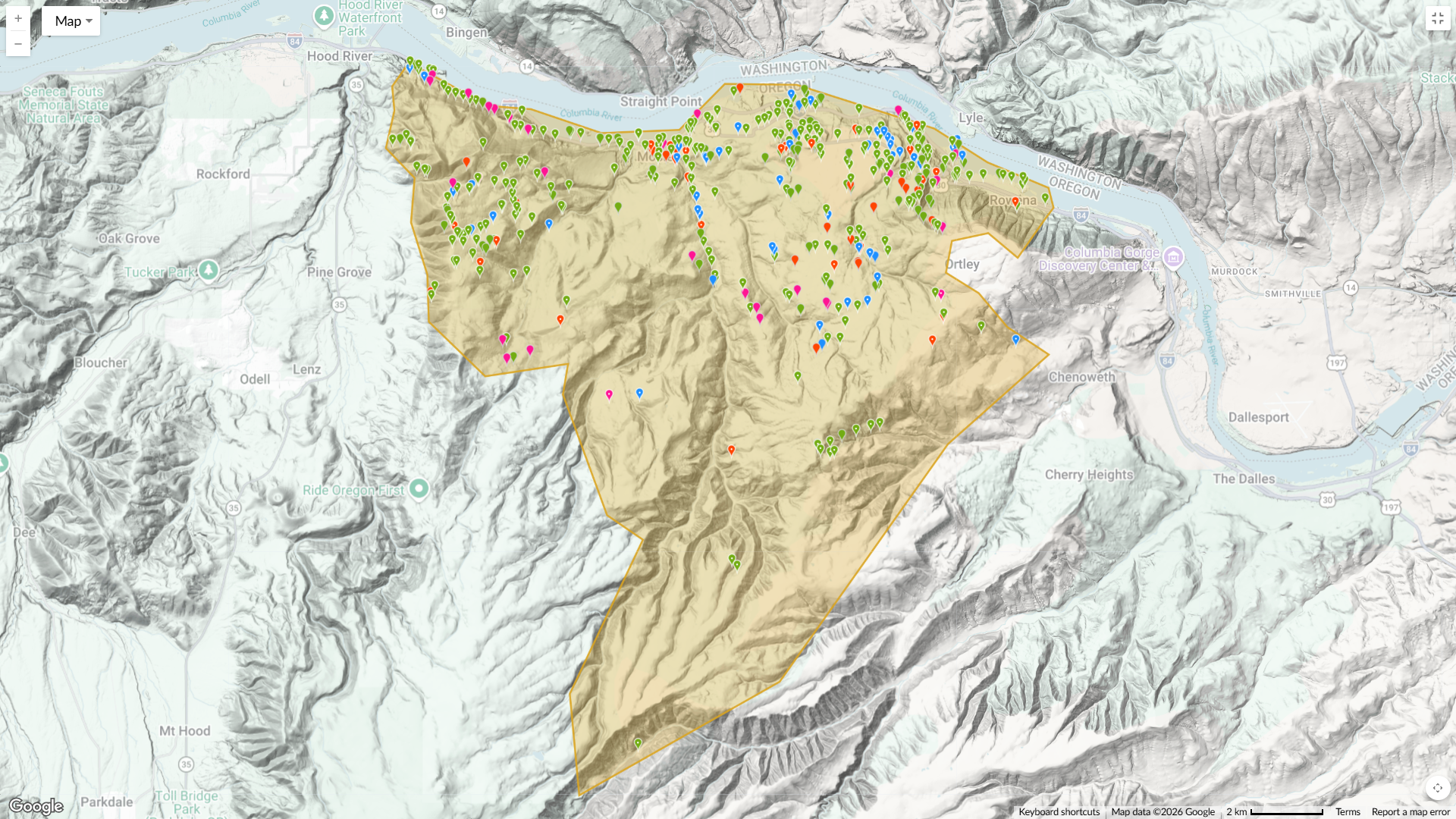
In 2024, the Mosier White Oaks Group initiated a year-long bioblitz within the Mosier watershed. A bioblitz is a collective community-based science effort to record as many species as possible within a designated area and time period. The project was hosted on iNaturalist and catalogued flora and fauna associated with Oregon white oak in the Moiser, Oregon area. In total, over 400 observers recorded 788 species of birds, plants, insects, amphibians, reptiles, and fungi!
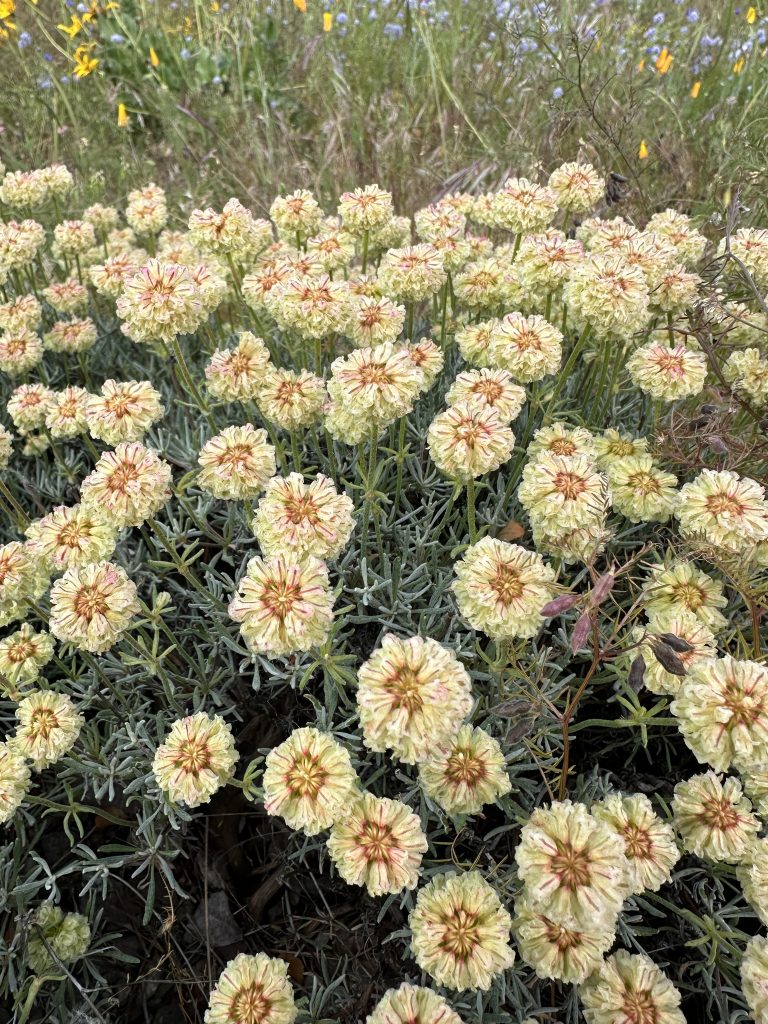
It’s no surprise that the plant world represented the greatest number of observations (n=371). The Mosier watershed is well-loved for its wildflower, grasses, shrubs, and trees. The top forb species were Columbia desert parsley, grass widow, upland larkspur, Bachelor’s buttons/cornflower, arrowleaf buckwheat, and large-flower triteleia. The top two tree species were our beloved Oregon white oak and commonly co-occurring western Ponderosa pine.
Over 200 insect species were catalogued on iNaturalist. It’s pretty hard to miss the beautiful butterflies and moths, but observers also recorded many tiny crawling insects as well.
Over 60 bird species were observed throughout this project- the most common being western bluebird, turkey vulture, and red-tailed hawk. 20 species of mammals were catalogued including squirrels, deer, bats, and large cats.

The project ended in January 2025 but all data is viewable on iNaturalist. Thank you to Mary Bushman for spearheading the bioblitz and for presenting these results to our partnership. Data like these help the public, partners, and funders understand the biological richness of a place and demonstrate the power of collaborative engagement by a community to help catalog and understand it. Way to go, Mosier!