
Oak Observations November 2025
ECOP's Condition Assessment Tool in Action
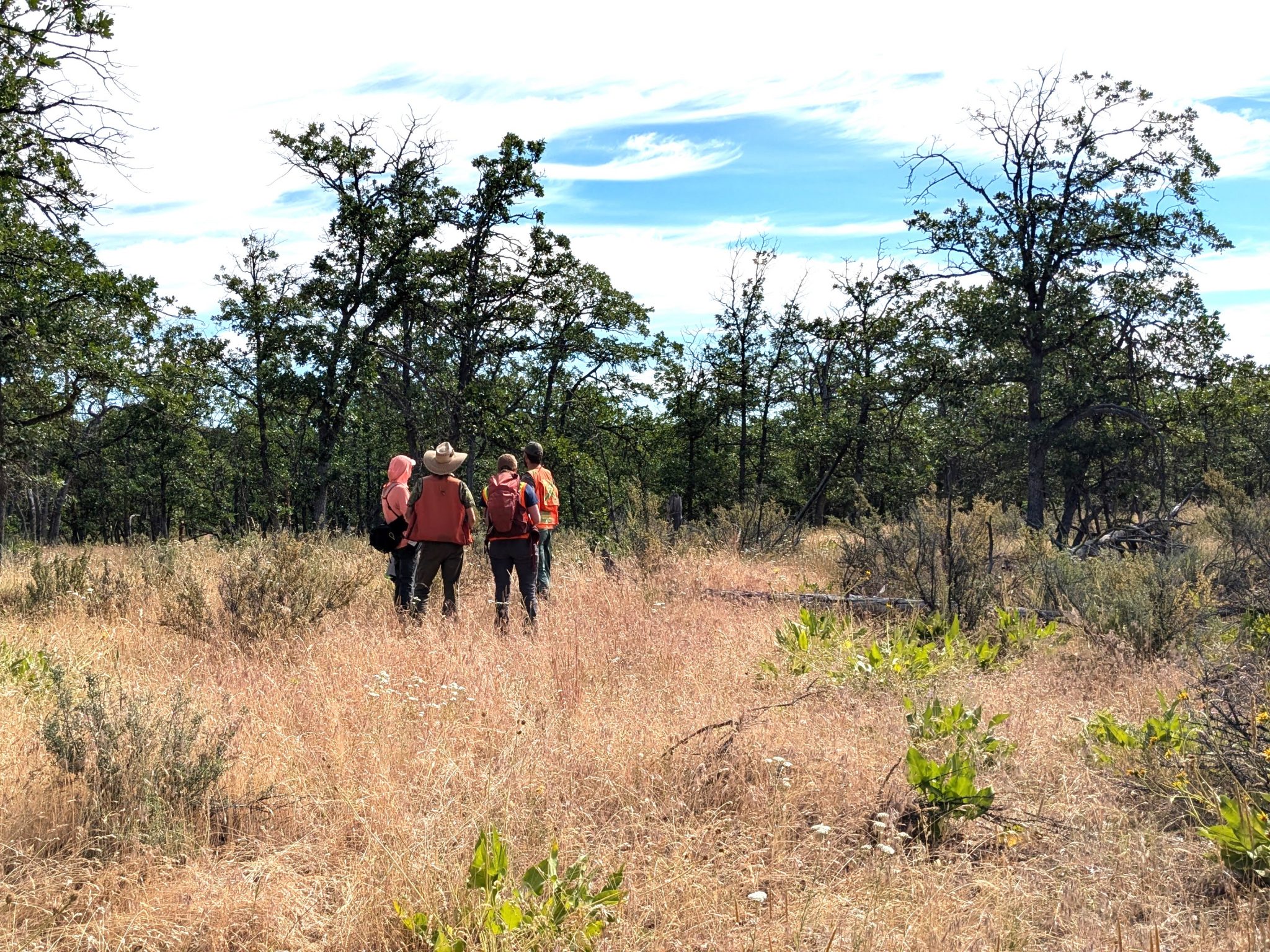
With leadership from ECOP Technical Coordinator, Stacy Simanonok, ECOP partners have worked hard to create monitoring protocols and assessment tools land managers can use to understand and care for oak habitats that make the East Cascades so special. The Condition Assessment Tool (CAT) was developed and refined throughout 2023 and 2024 thanks to working group members. On the White River Wildlife Area, the Confederated Tribes of the Warm Springs Reservation of Oregon, and on privately conserved lands owned by Lupine LLC, contractors have used this tool to inform restoration priorities and pathways. It has now been deployed on over 10,000 acres of oak habitat! That’s like 20 Disneylands (or 60 Dollywoods, if you prefer).
So, what exactly is the CAT tool and why does our partnership invest in its use? The tool walks land managers through a series of questions that help discern how a site may have changed over time in response to management choices or natural disturbances. The results can be used to help answer questions about how to manage the site. Which stands are at high risk of high severity fire? Where are the intact plant communities to protect from disturbance? Where are large snags at risk of consumption during Rx burns or wildfires? The information collected with CAT can help land managers identify potential restoration opportunities and uncover a pathway toward the desired future condition.
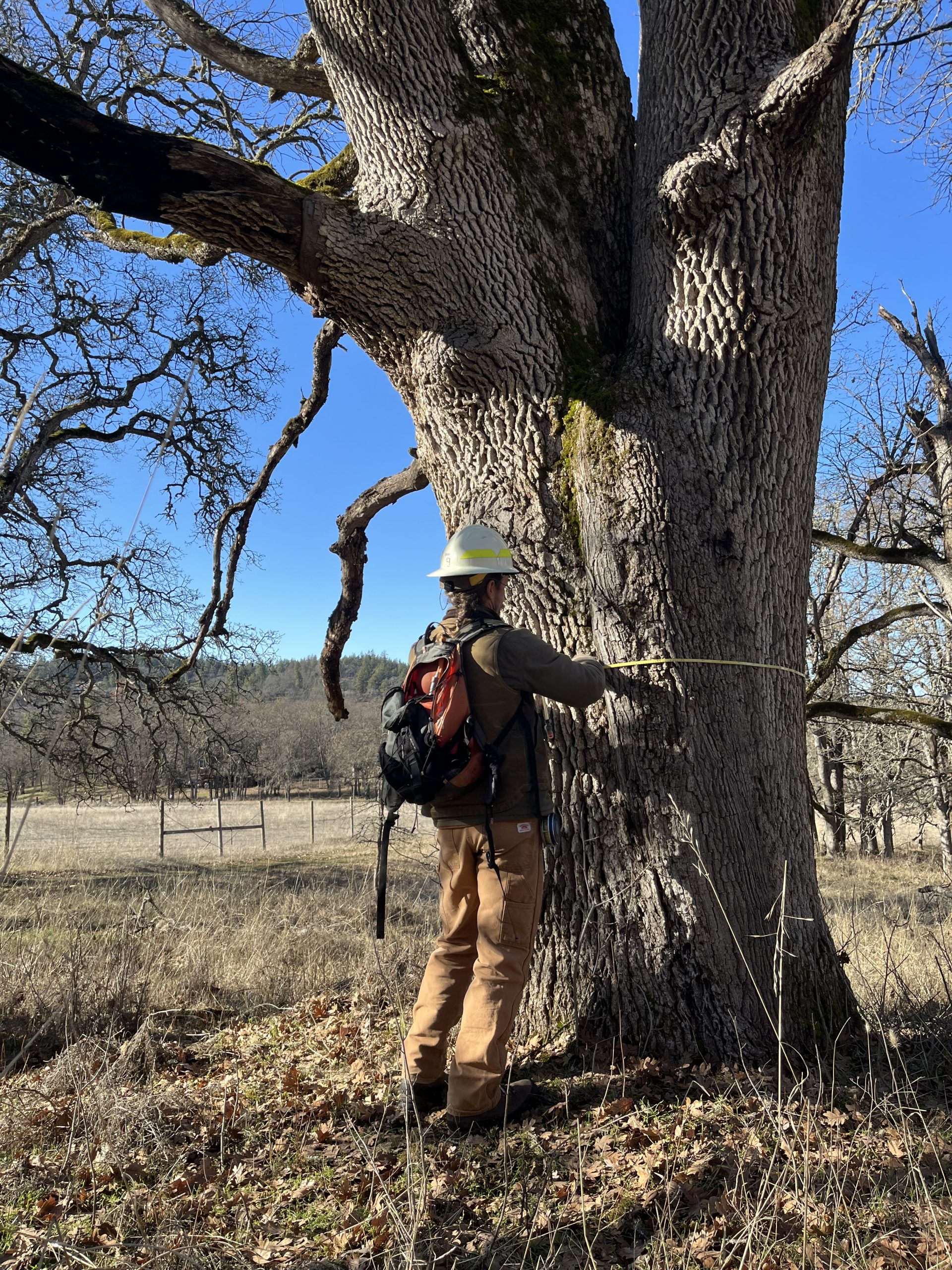
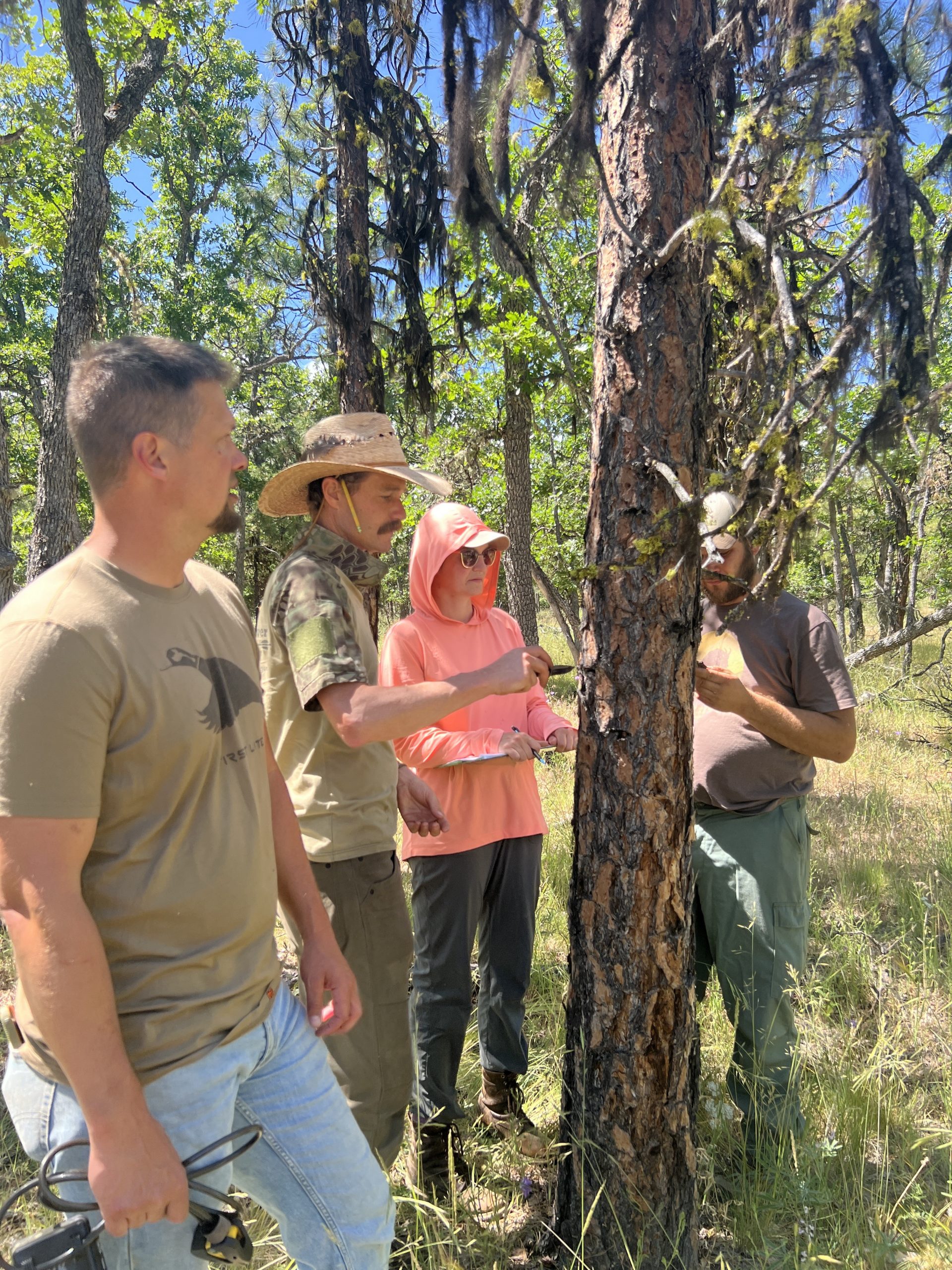
In the CAT tool workflow, a dichotomous key helps the user identify the ecological site type. Each ecological site has an ecological site description, or ESD, which describes the common landforms, soil types, plant communities, climatic features, and ecological dynamics. To elevate the tool, ECOP is working with a contractor to develop and refine state and transition models for the most common ecological sites in our area where several restoration projects are underway or proposed. STMs describe a historic reference state and pathways that could be initiated by disturbance or management (or lack of).
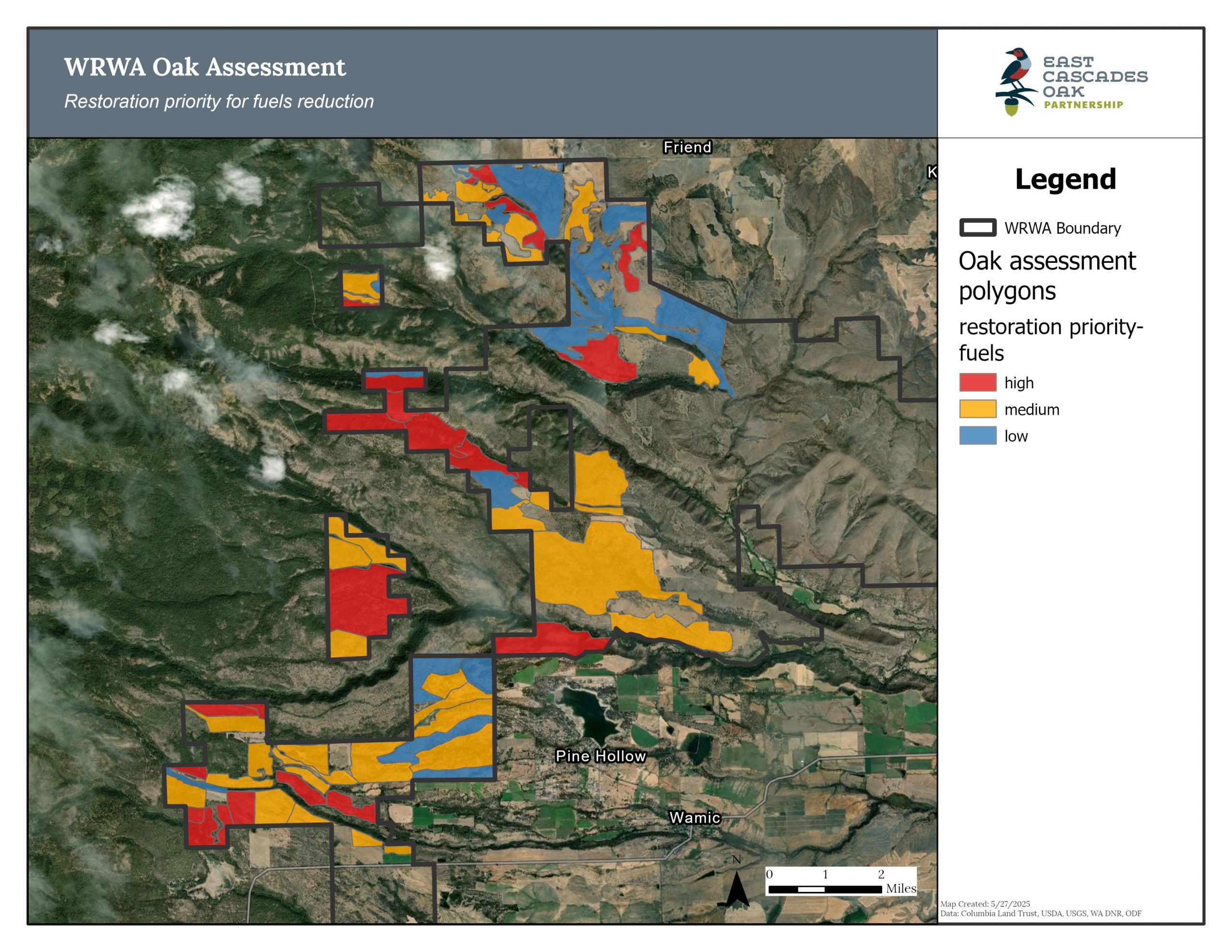
At the White River Wildlife Area, the tool was deployed across thousands of acres to evaluate conditions of mixed oak pine woodlands and refine restoration opportunities in 84 assessment areas. ECOP Technical Coordinator Stacy Simanonok worked with Wildlife Area Manager Chase Brown and ECOP partners at Oregon Department of Forestry to interpret the results, finding that 23 of the units ranked high for restoration priority in terms of fuels reduction and 26 ranked high or medium for priority of releasing and protecting legacy oaks. Many of the units also showed some level of drought stress. This data informed a restoration project funded through the ECOP OWEB FIP that will help restore 500 acres of oak habitat over the next few years!
The CAT tool is available (for free) to anyone interested in learning more about how to manage an oak habitat they care for. Check it out on ECOP’s website. The site also features monitoring protocols and helpful management guidance to support you in achieving your management goals.
We are grateful for members of the ECOP Condition Assessment Tool Work Group and the contractors who share their unique expertise for collaborating toward our shared goal of protecting and conserving keystone Oregon white oak habitats.