
Oak Observations February 2026
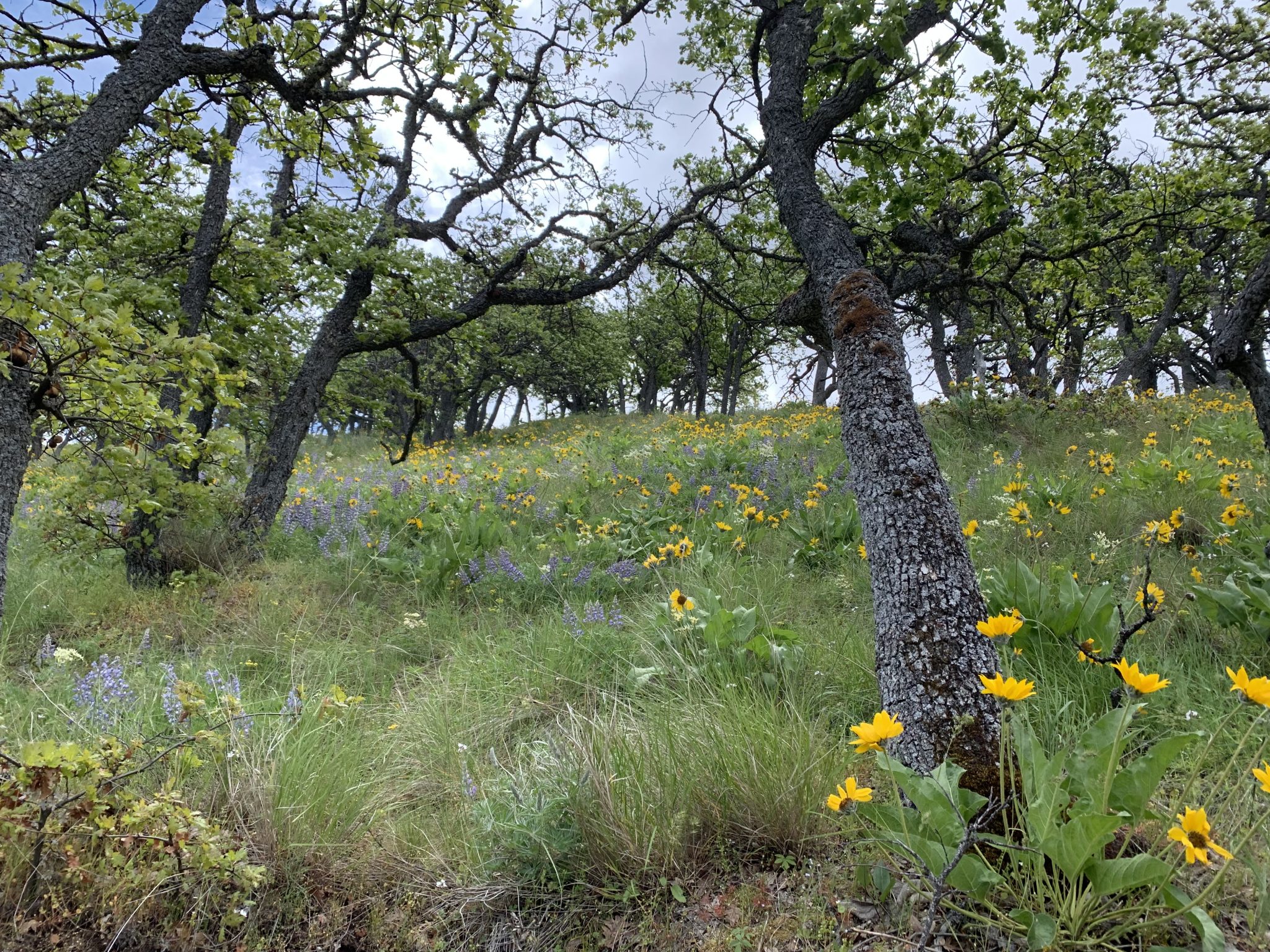
Restoration at Mill Creek Ridge Natural Area
The East Cascades Oak Partnership’s OWEB FIP award is improving outcomes for priority oak habitats across our region, including at locally beloved natural area, Mill Creek Ridge outside The Dalles, OR.
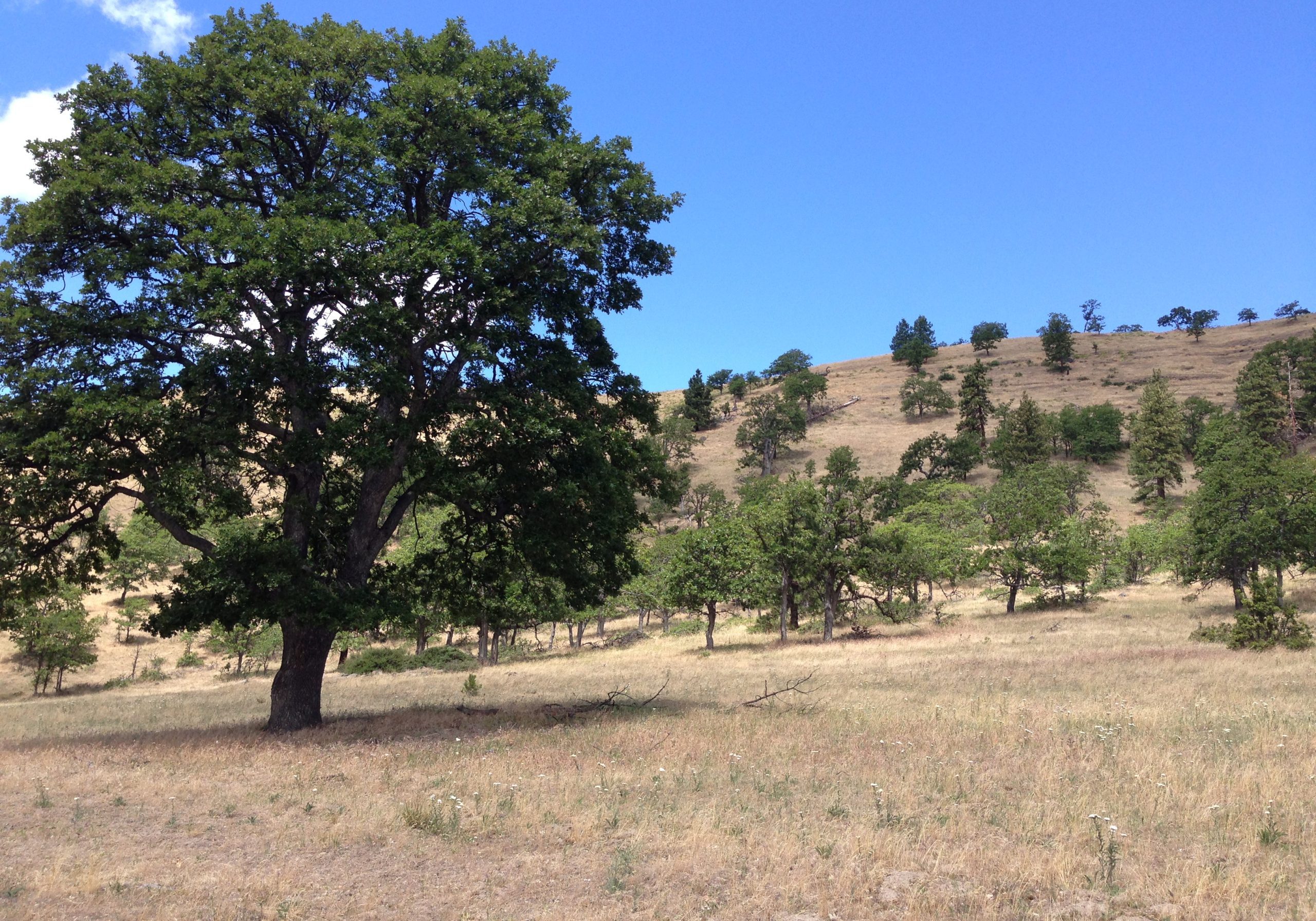
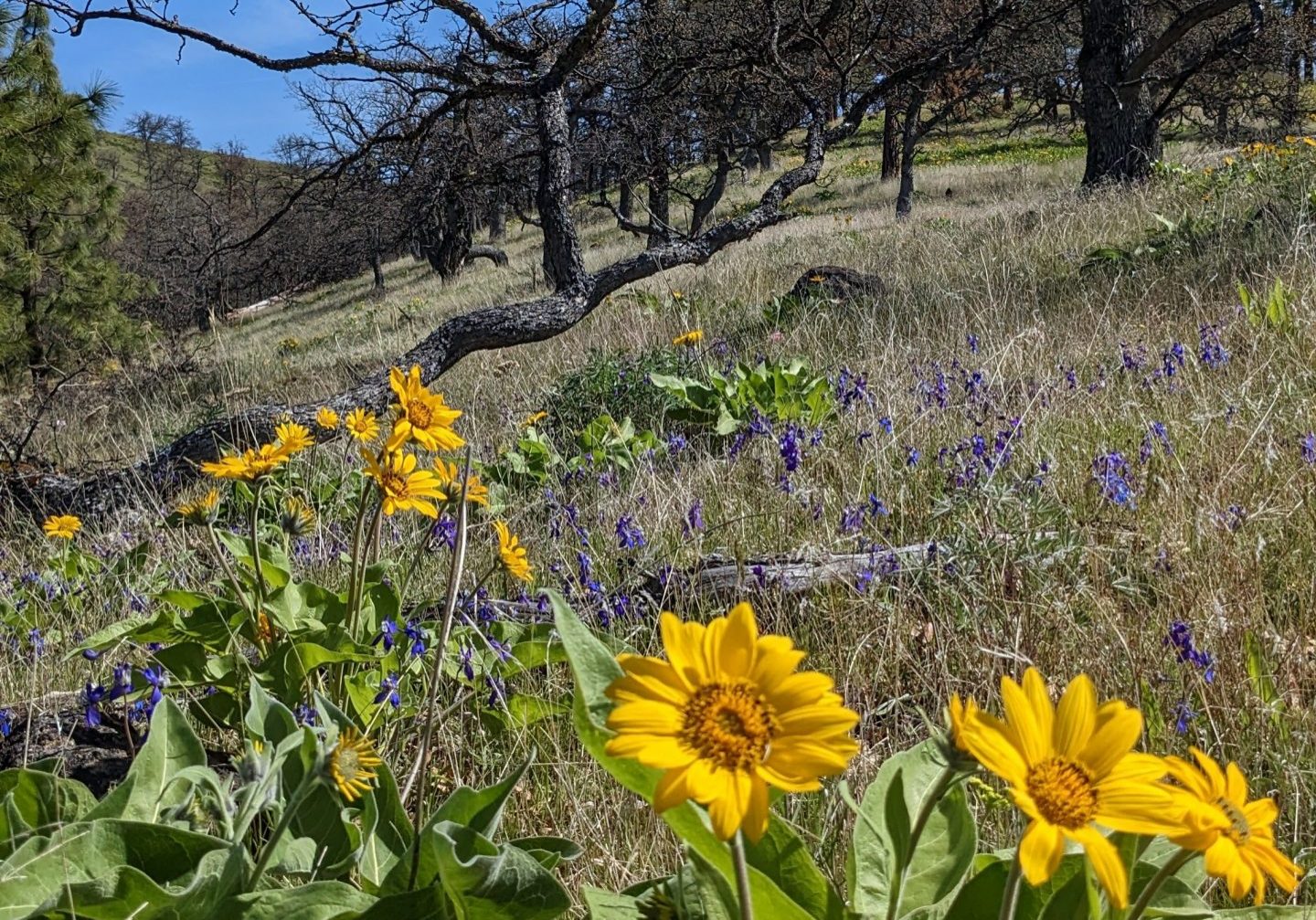
Mill Creek Ridge is known for its stunning wildflower displays and expansive views. Several acres of the property were former agricultural fields invaded by introduced grass and forb species that threaten to outcompete the native oak understory that people and wildlife treasure. Columbia Land Trust’s Brad Mead and Kate Conley have been working to control these introduced grass and forb species with support from OWEB.
At our most recent quarterly meeting, Brad shared an inspiring update on project implementation with helpful tips on managing skeletonweed. Check out Brad’s talk on ECOP’s YouTube channel.
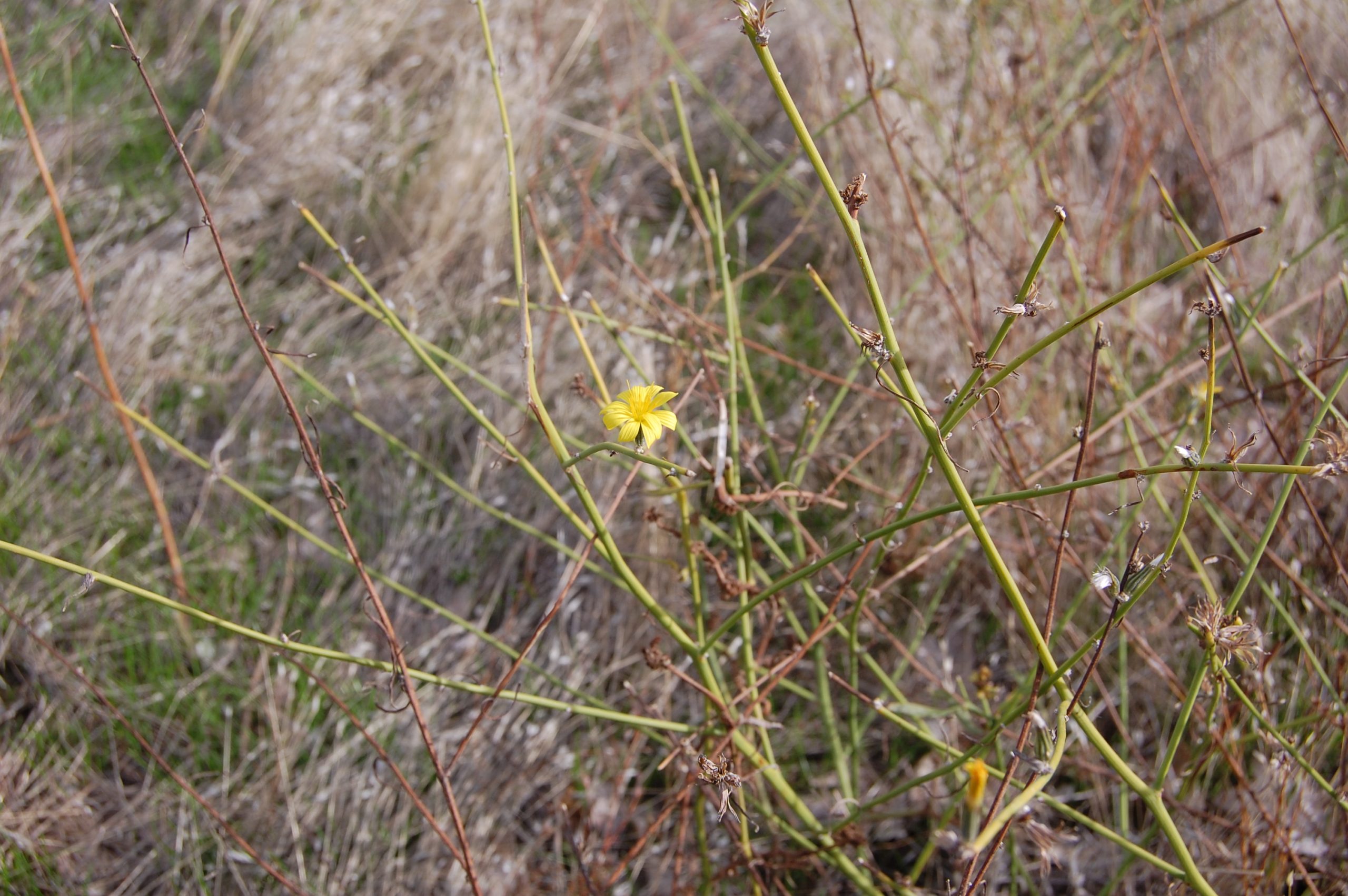
A particularly challenging introduced plant we are working to control at Mill Creek Ridge, and for land managers across the gorge, is rush skeletonweed (Chondrilla juncea) pictured below. Without control, rush skeletonweed infestations can displace local, beneficial plants valued by wildlife from deer and elk to invertebrates. Its robust root system can drain moisture and nutrients away from nearby plants and a single mature skeletonweed plant can produce tens of thousands of seeds. Learn more about skeletonweed in the Gorge here.
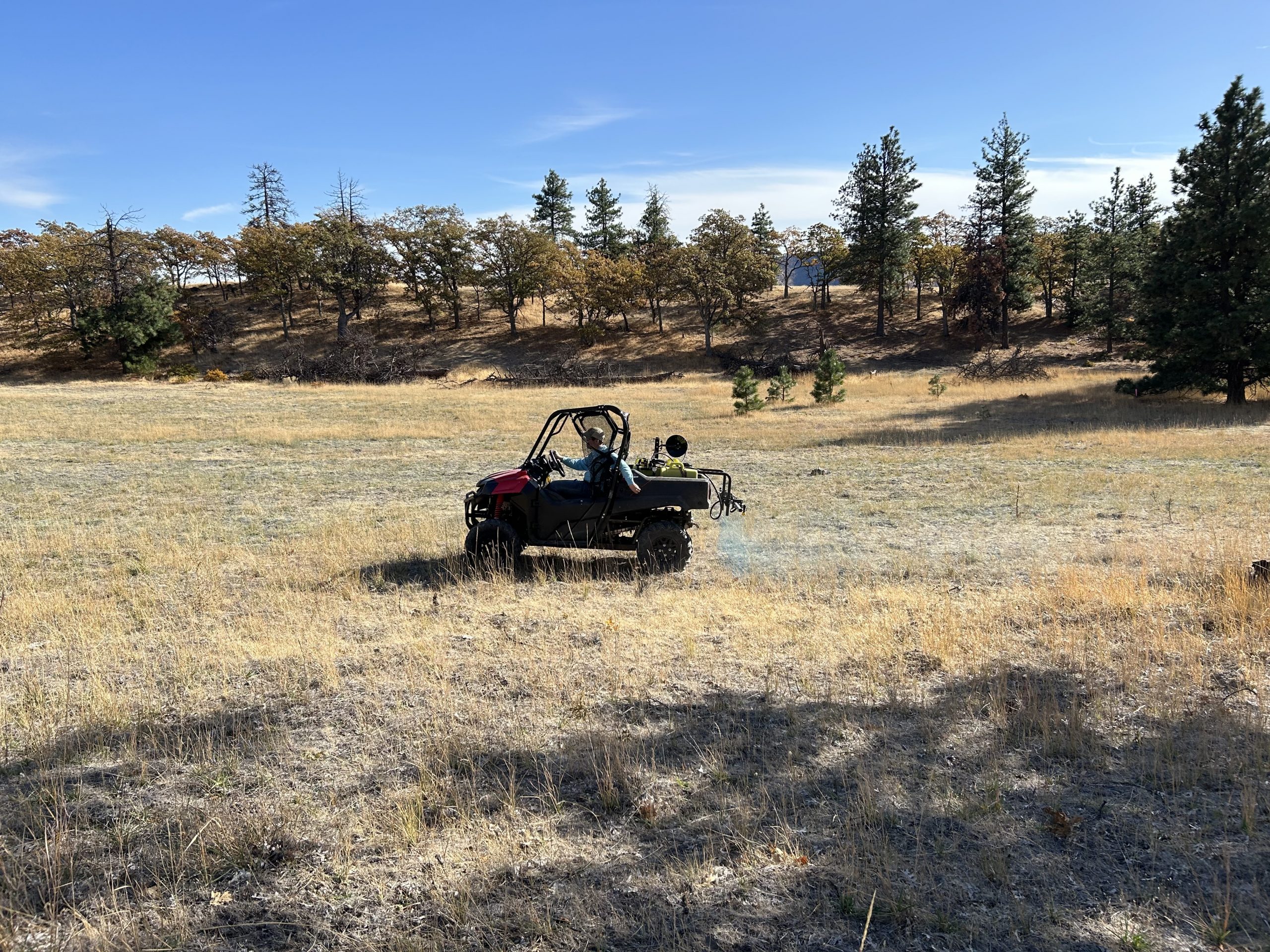
So, what can we do to manage this species and protect native plant communities? Most studies on skeletonweed control are from the agricultural sector (winter wheat specifically). The studies have largely shown that clopyralid and aminopyralid are the most effective herbicide treatments. These chemistries can sometimes be problematic from a restoration perspective since both chemicals affect a large swath of broadleaved plants (clopyralid being more selective) causing potential harm to native species we hope to protect. We have anecdotally found that spot spraying is minimally effective, further limiting our ability to control these plants in natural areas with relatively intact understory. Also anecdotally, skeletonweed typically moves into areas experiencing soil disturbance. Minimizing soil disturbance is an important way to prevent the spread of introduced species.
Land stewards at Mill Creek Ridge installed monitoring plots in the treatment areas to identify the species present on site and understand the potential impacts of treatments. Because the cover of invasives was so high, land managers chose to apply alternating applications of clopyralid in the spring then aminopyralid in the fall to treat the skeletonweed via broadcast application. After 2 years of treatment, skeletonweed was reduced to 0.2% cover! Thanks to contractors, ECOP’s Native Plants Working Group and volunteers, native forbs collected from the surrounding area including local lupine, balsamroot, and lomatium species will be deployed on the site to restore the native plant community. Click here to learn more about why ecologically appropriate plant materials matter.
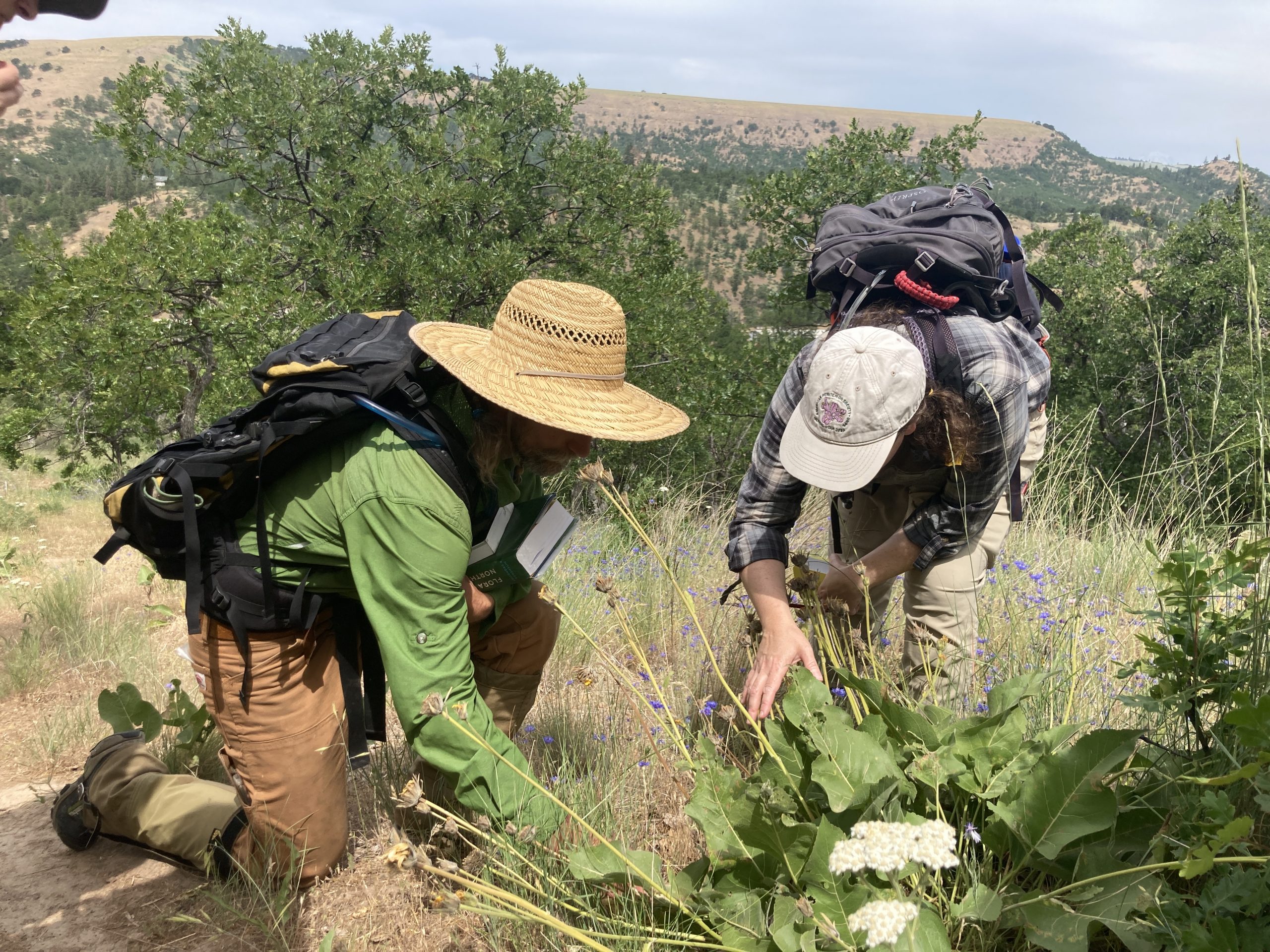
When treating introduced or weedy species, it is important to consider the effects on the existing plant community, and plan for reseeding desirable species. Listen to Brad’s talk to learn more about this project, treatment details, and our learnings so far.
Check out ECOP’s management guidance pages on native plants for more information on stewarding native oak understory plant communities.