
Oak Observations June 2024
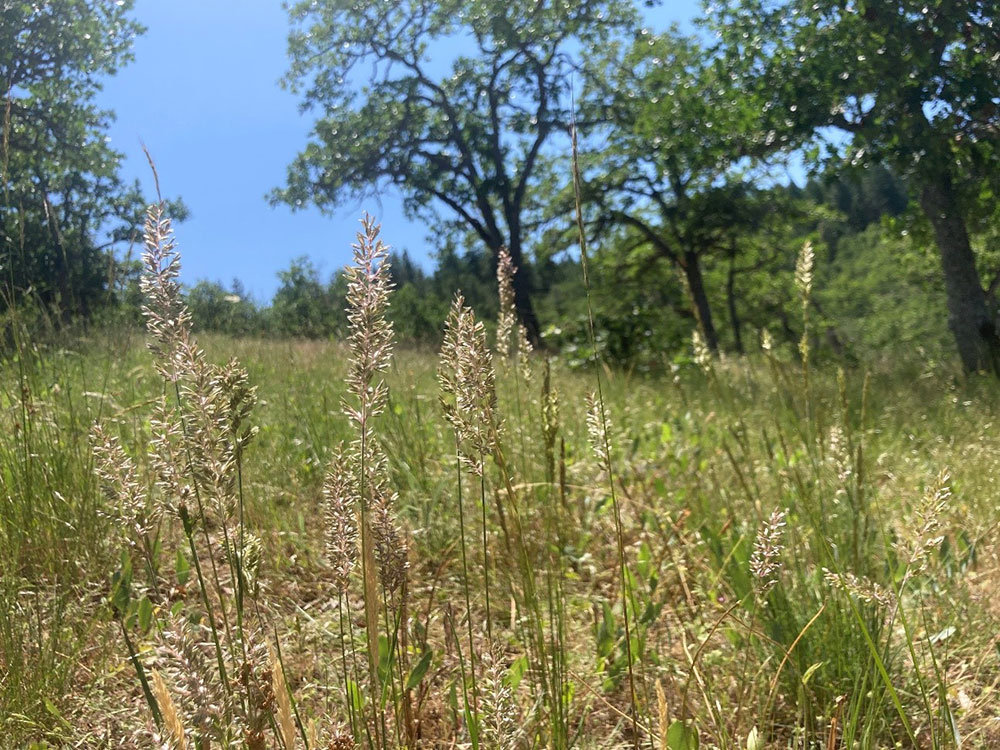
Grass Identification Workshop
A crucial element of our partnership’s work is to address knowledge gaps specific to East Cascades oak systems, including around historical conditions, system diversity, and oak system response to management practices and climate change. We believe adaptive management guidance helps people make decisions that improve outcomes for oak systems. Rick Shory and Jason Clinch stepped up last week to help partners navigate a particularly stubborn topic, identifying grasses!
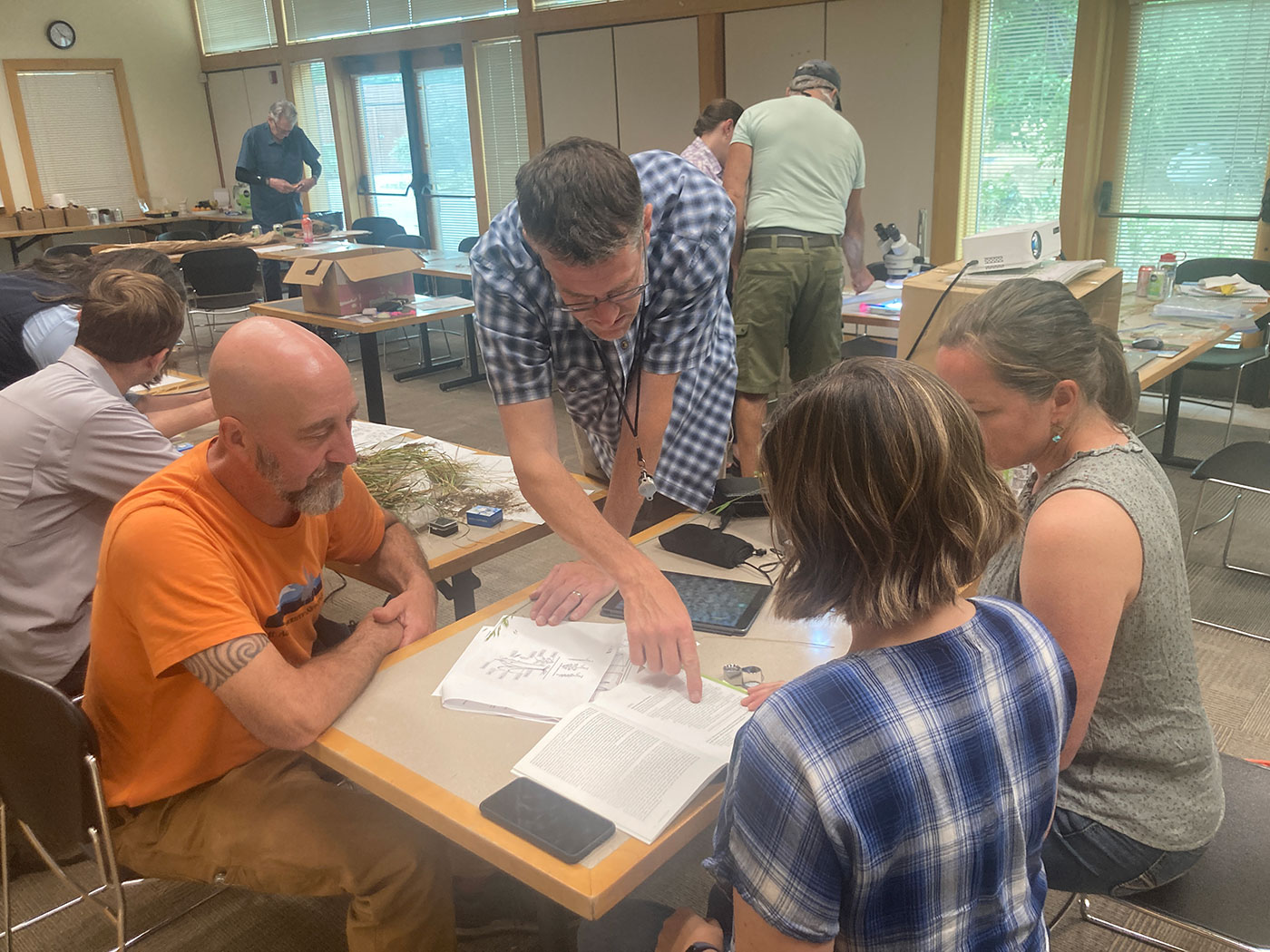
The Grass ID Workshop was held at the Discovery Center after our quarterly meeting to help support private landowners and restoration professionals understand “keying out” and identifying native and invasive grasses. If we do not know what is growing in our oak systems, we make less effective management decisions.

We learned that double sided tape is your best friend when ID’ing grasses! It helps to hold the grass steady and intact so that grass anatomy can be thoroughly investigated with a hand lens or scope. Understanding the parts that make grass anatomy unique can help you use a key to identify the diverse grasses that inhabit the East Cascades. There are many ID books available, one we often use is Field Guide to the Grasses of Oregon and Washington.
Even those familiar with grass anatomy will find that grasses can be tricky! This resource can help identify invasive Ventenata from the similar looking native grass Deschampsia danthonioides.

Reach out to Oaks@ColumbiaLandTrust.org for a list of grasses commonly found in East Cascades oak habitats or if you have questions about identification.
Shout out to Rick and Jason for volunteering their time and expertise to support partners!