
ECOP FIP Project Spotlight – OPRD Oak Release
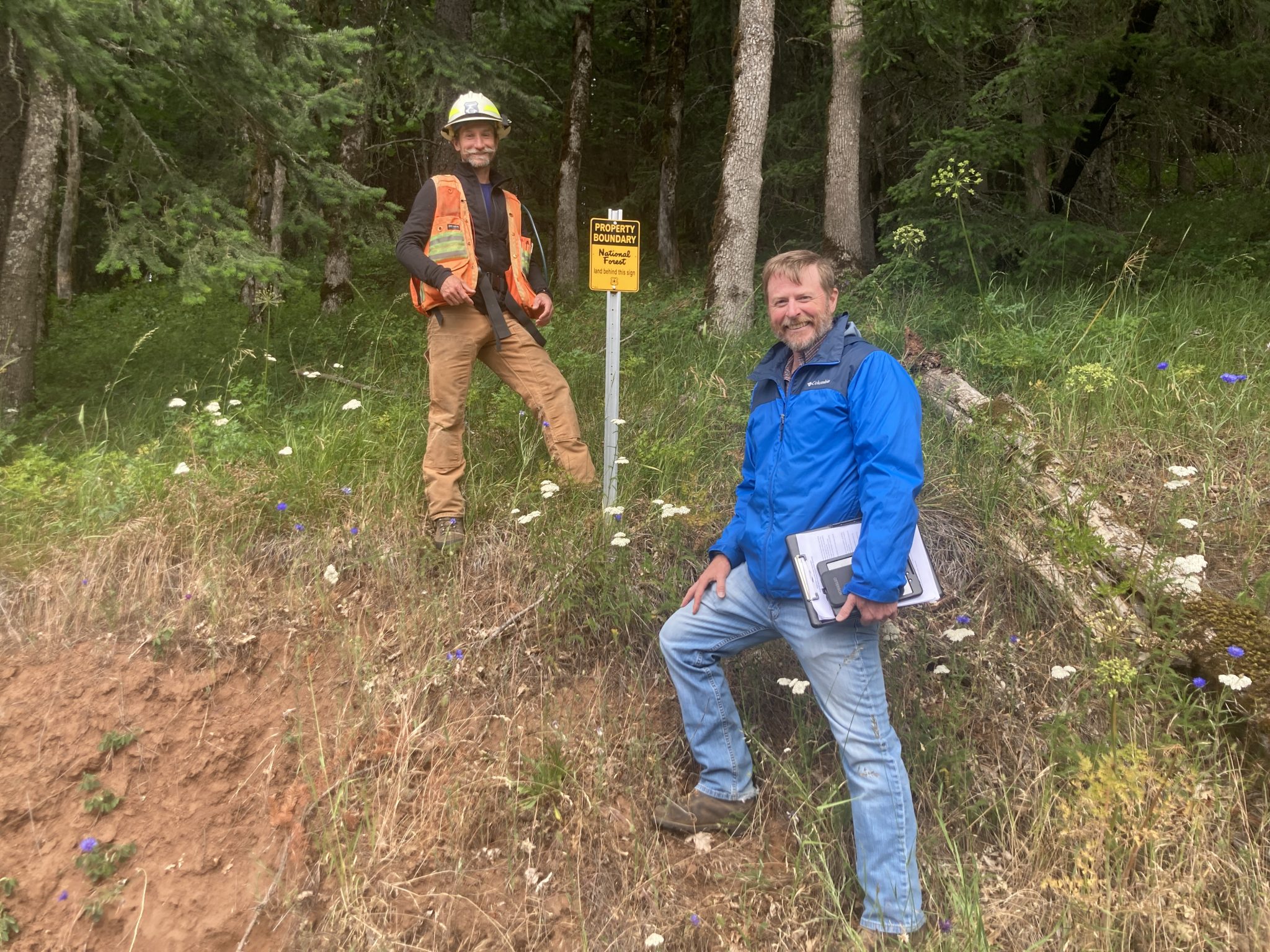
Project Spotlight - Oregon State Parks Oak Release in the Columbia River Gorge National Scenic Area
The East Cascades Oak Partnership (ECOP) has been working together for years to improve outcomes for oak habitats of the East Cascades and the people who live among them. With support from the Oregon Watershed Enhancement Board and the Focused Investment Partnership Program, Oregon Parks and Recreation Department (OPRD) is launching a project to protect oak habitats and improve fire resiliency in your neighborhood. This project is part of the second phase of a collaborative effort to understand and assess oak habitats in the Columbia River Gorge.
In 2023, ECOP funded assessments of 227 acres of OPRD oak habitat experiencing conifer competition stress. They examined the following factors: stand condition, restoration feasibility, operational logistics, and understanding ecological opportunities, urgency for release of oaks from competition, and determined feasibility of oak release. Upon completion of the assessments, 160 acres were determined to be appropriate for restoration treatments. Now that the assessment is complete, it is time to take action to protect the Gorge’s unique and beautiful woodlands!
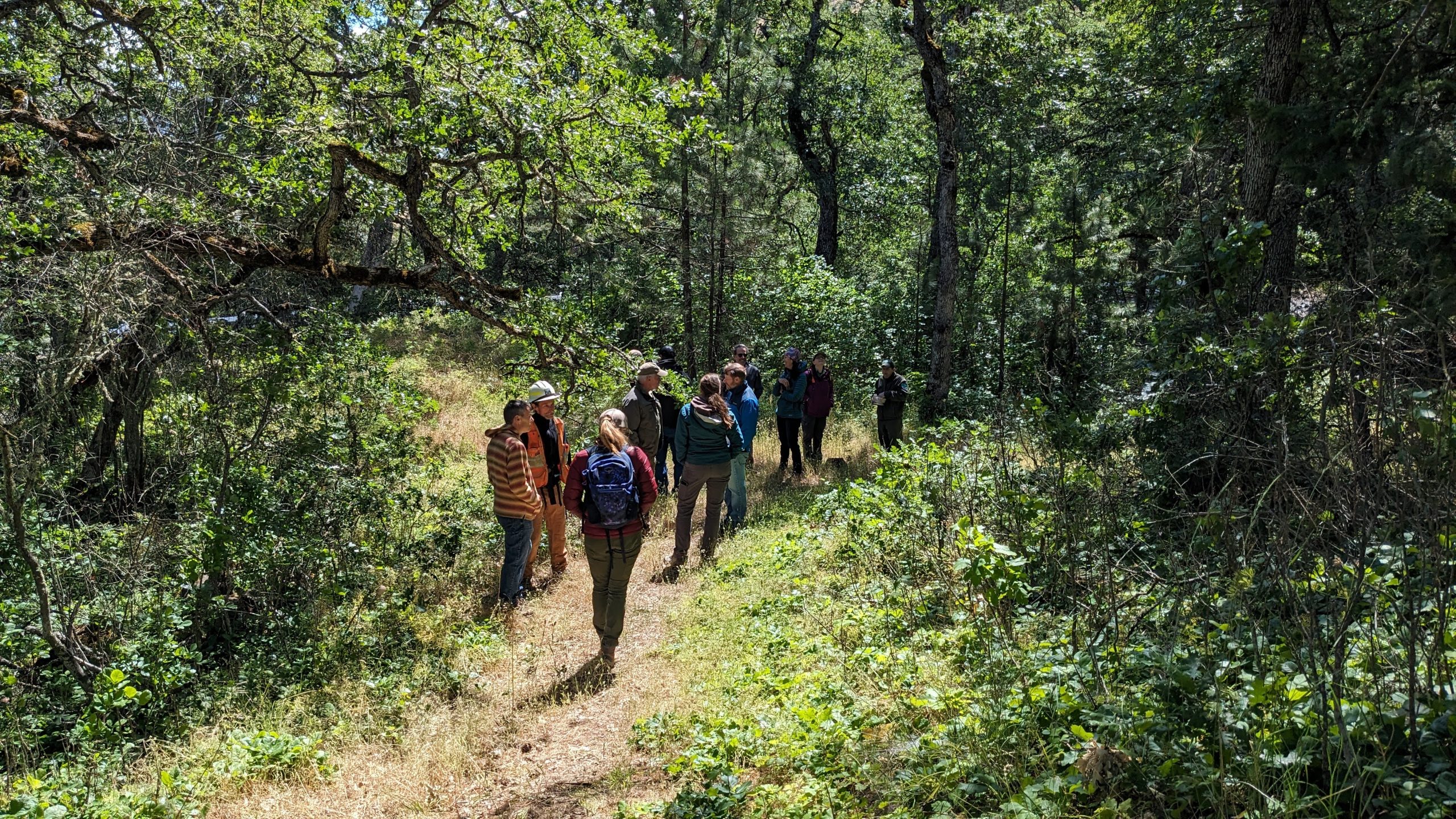
So, why do these woodlands need restoration work anyway? In the Columbia River Gorge, we are lucky to enjoy the eastern extent of Oregon white oak’s natural range. These iconic trees provide unique habitat values to hundreds of species of wildlife including songbirds, bear, deer, and elk. Because of historic management choices, Douglas fir trees are now overgrowing in the area. Douglas fir are a native tree species which are also important and beautiful, but in some places, they are now out of balance with historic conditions and creating issues because of their density and tendency to shade out oaks. Firs grow quickly and overtop the slow growing oaks.
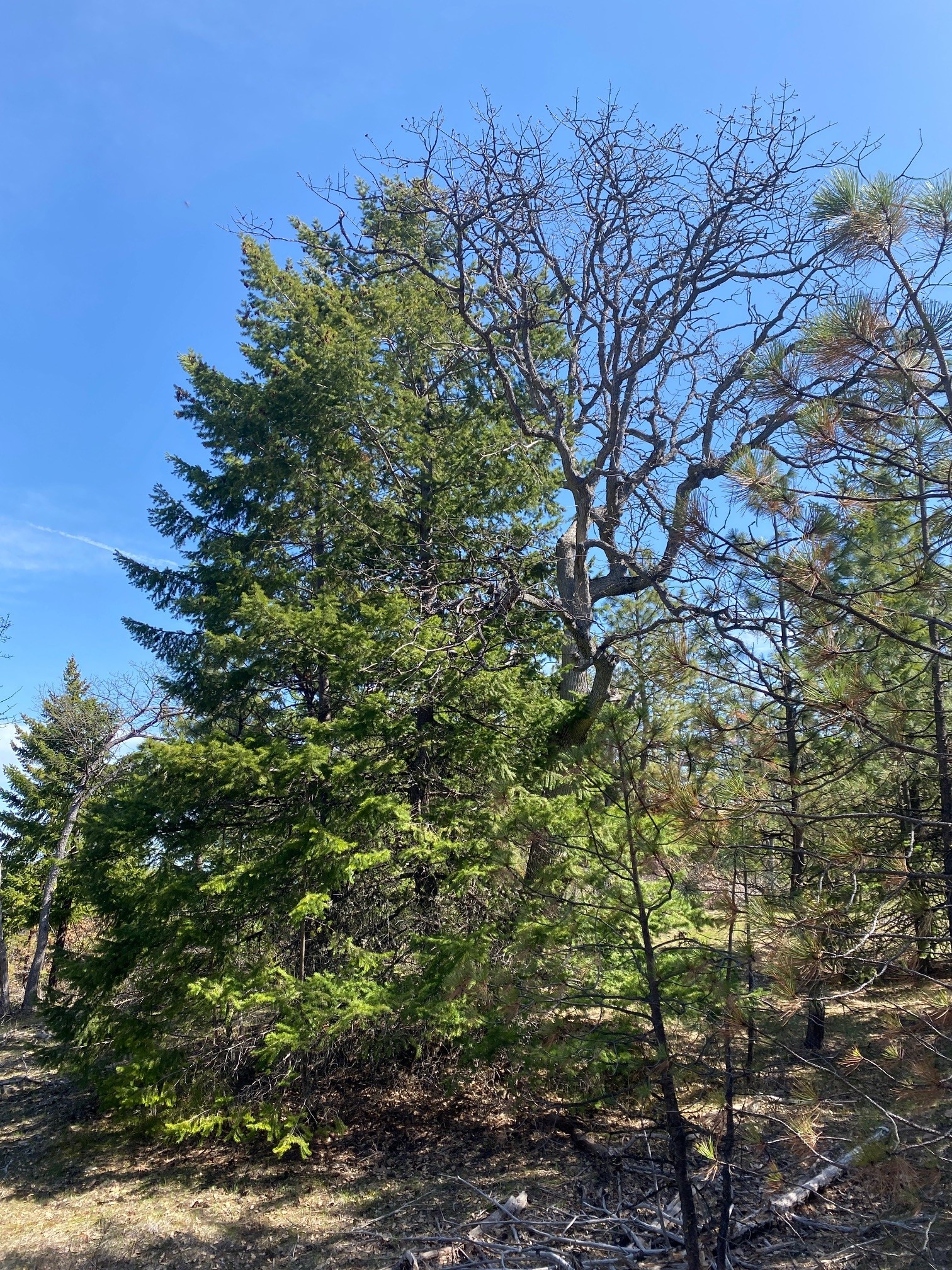
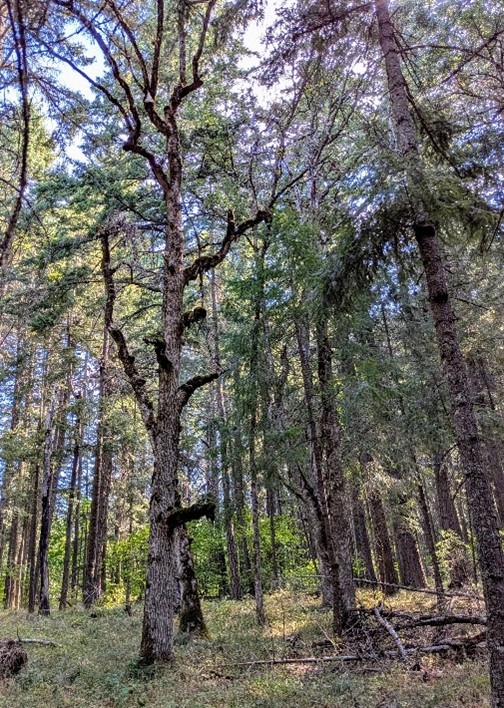
The young firs are not as fire resilient as oak and do not offer the same habitat values or allow as much light to reach the forest floor. This can make it harder for some species of wildflowers and shrubs to thrive. Conifer encroachment is a widespread problem with the potential to eliminate oak habitat over time.
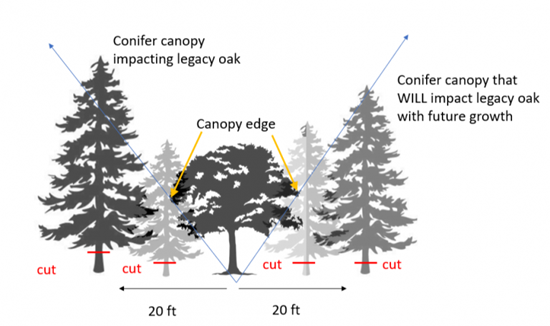
Conifer encroachment occurs on a spectrum of invasion from just saplings in the oak understory to stands that have become totally dominated by conifers with only dead and dying oaks left. The time-critical stage that OPRD has targeted for this project includes oak stands in which conifers have started to overtop the oaks and the oak stands are expected to lose viability in the near term. Many of these could be considered “now or never stands”.
The data from the assessments was analyzed to prioritize areas based on:
-
- Urgency
- Presence of large “legacy oaks” which provide exceptional habitat
- Visibility from I-84 and the river where people recreate and enjoy the view
- Operational feasibility for either manual or mechanical treatments
- Conifer size and stocking
- Oak size and density
Implementation Goals:
- OPRD is planning on applying for funds to implement high priority oak restoration actions in January of 2026.
- Implementation would start with permitting in winter 2026 and then move into actual on-the-ground treatments in either winter 2026 or fall 2026/winter 2027. Treatments could happen in spring and summer in some locations, but Working in winter also helps prevent transfer of potential pests.
- The agency plans to treat 20-30 acres per year until all feasible heavily encroached stands are stabilized.
- Treatments would also restore understories of treated stands through seeding and planting of native species, as necessary.
- Some stands with a relatively low volume of conifer material that can be disposed of on-site will be treated using lop-and-scatter methods, burning, or minor conifer felling or snag creation without any extraction. In other stands, where woody debris generated from oak release would exceed acceptable fuel levels, some of the competing material may need to be removed as logs or chips. The wood removed may have value that can be used to support more restoration work
If you have questions about this project, please reach out to: Gorge.oaks@oprd.oregon.gov
OPRD put together a webpage with interactive maps, planning background, and details on the proposed restoration work. Check it out to learn more about this project: https://arcg.is/qLuiH1
Want to know more about the good work happening in your local woodlands? Click here to learn more about oak restoration in the Columbia River Gorge and East Cascades, and how you can get involved!