
Oak Observations Feb 2025
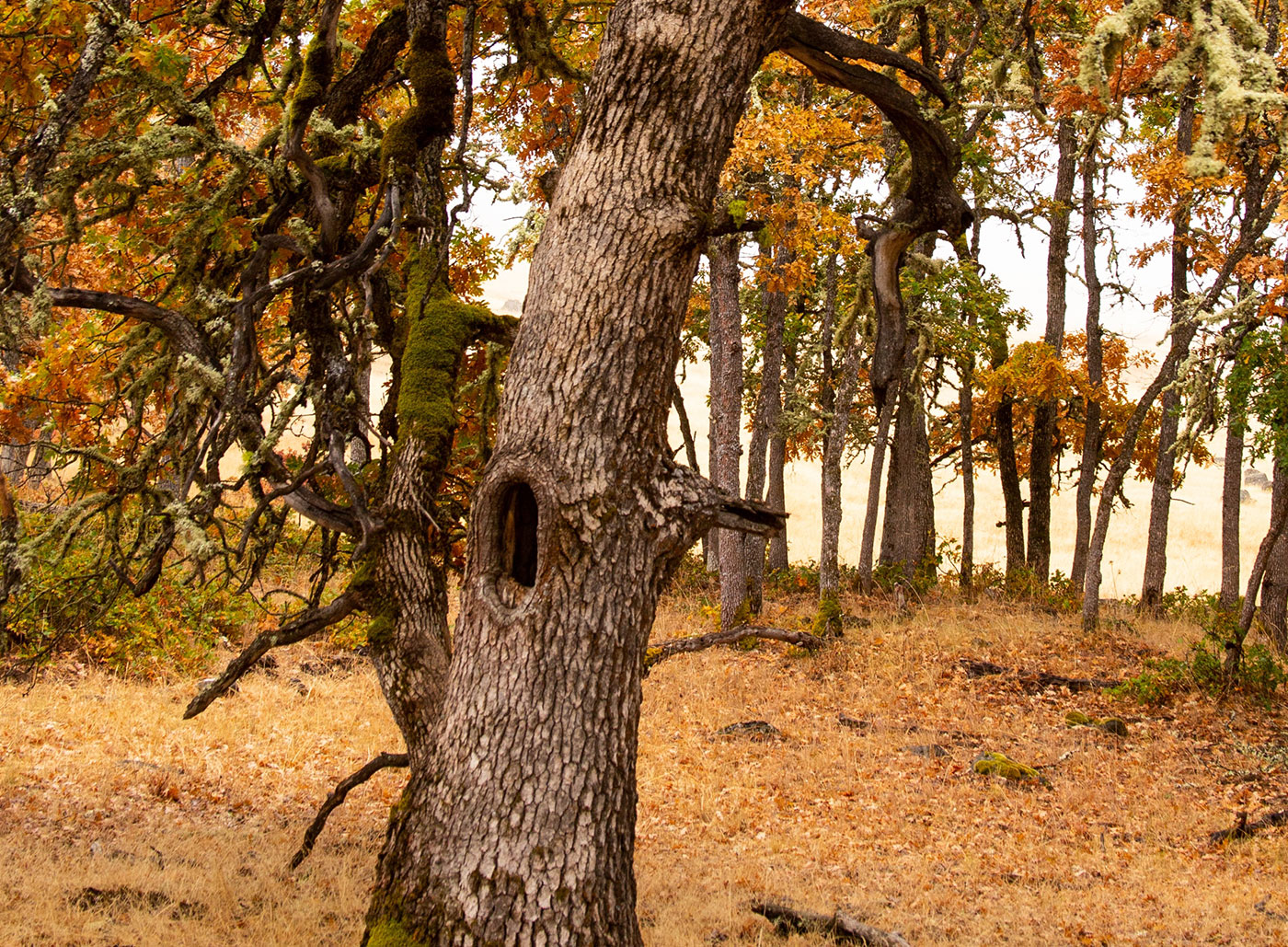
In times of change, we look to the oak, one of our favorite teachers. We are inspired by their resilience, adaptability, and most of all, by the interconnected networks of support they provide one another.
What are these networks? Fungis of course! Many trees are connected by mycorrhizal networks that may even allow elders to support the young.
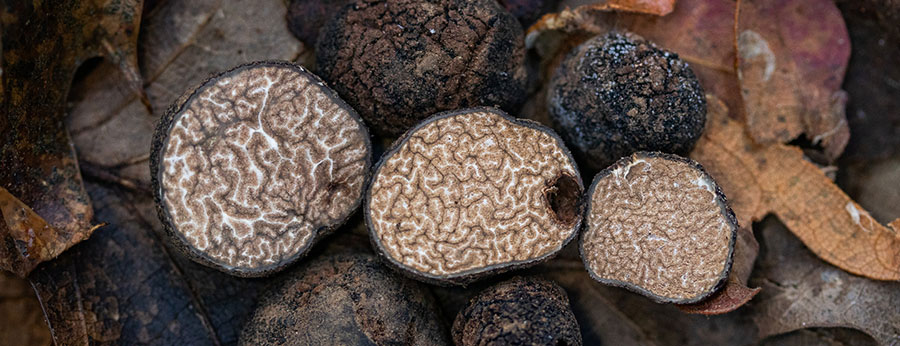
Many mycorrhizal fungi associated with Oregon white oak produce fruiting bodies called truffles, an important food source for western gray squirrel and other species!
Mycorrhizae represent a symbiotic association between fungus and a host plant. Using tree roots for substrate and sugars, the fungus forms a vast web of microscopic mycelium that expands the area of water absorption and nutrient exchange by up to 700 times what a plant’s roots can accomplish alone. In the process, these mycelia connect the roots of individual trees together underground. Trees communicate along these pathways, exchanging nutrients, defense signals, and allelochemicals (Gorzelak, 2015). In this way, the success of the individual manifests through connection, not through competition.
Ecosystems are so similar to human societies—they’re built on relationships. The stronger those are, the more resilient the system. And since our world’s systems are composed of individual organisms, they have the capacity to change… Our success in coevolution—our success as a productive society—is only as good as the strength of these bonds with other individuals and species.
- Suzanne Simard, Finding the Mother Tree: Discovering the Wisdom of the Forest
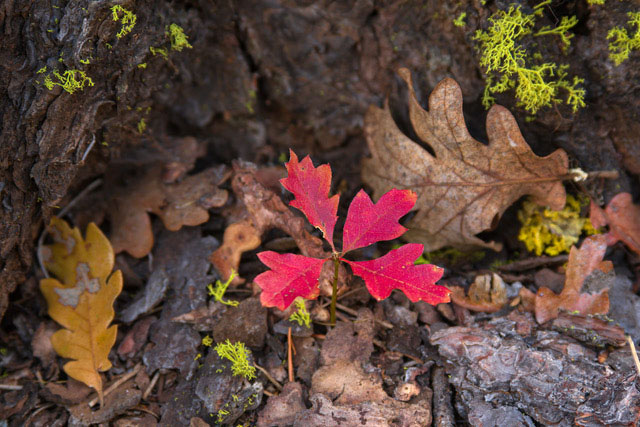
As new stressors emerge in our community, we function much like trees and mycorrhizae - a forest committed to community success. If you have something to offer, give. If you need help, ask. Together, we form an ecosystem that is greater than the sum of its parts. In one growth form or another, oak resprouts and persists with the support of the individuals around it, and so can we.
